



Remembering the boy from the Black Stuff
Formed in Liverpool in 1980, Black was centred around guitarist and keyboardist singer-songwriter bloke Colin Vearncombe, who hailed from the city’s West Derby, soon to permanently put on the map as the real-life location for Channel 4’s Brookside soap set.
Now joined by bassist Dane Goulding and drummer Greg Leyland, the band’s first 45, Human Features, sold out its initial limited pressing on Birkenhead’s Box Records, which caught the attention of Pete Fulwell, then manager for Pete Wylie’s Wah!.
With positive press response to a subsequent single, More Than The Sun, featuring Dave ‘Dix’ Dickie on guitar and keyboards, plus encouraging reviews as support act on The Thompson Twins’ Quick Step And Side Kick tour, Black signed to Warner Bros’ WEA division in 1984, kicking off with the magician’s sleeve single Hey Presto.
Amid meagre sales, WEA dropped the band without warning. Vearncombe and Dix went their separate ways, with the singer experiencing bouts of depression.
Enter the song of sarcasm.
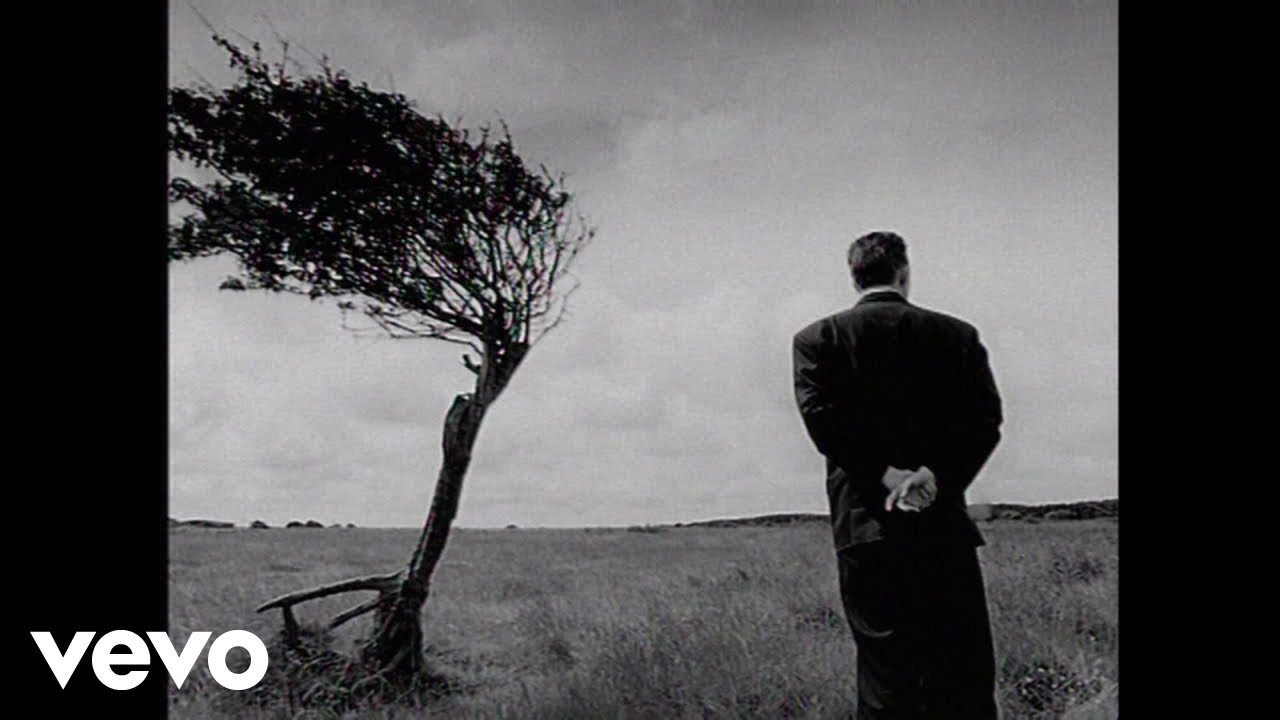
Following over a year of writing, and with Black now essentially a one-man band who could pass as an accountant, the recording of Wonderful Life was funded by Ugly Man Records, and laid down at the same Morgan studios on London’s Willesden High Road that had played host to a veritable roll-call of notable debut solo albums in the 70s: step into NW10, Paul McCartney, Lou Reed and Peter Gabriel. As well as David Bowie’s Space Oddity and The Kinks’ Lola.
“By the end of 1985 I had been in a couple of car crashes, my mother had a serious illness, I had been dropped by a record company, my first marriage went belly-up and I was homeless. Then I sat down and wrote this song called ‘Wonderful Life’. I was being sarcastic.”
All majestic minor keys and melancholic vocals, Wonderful Life just nudged into the lower echelons of the Top 75 in September 1986 but achieved far greater success when re-released by A&M Records the following year.
Buoyed by the success of Black’s first bona-fide hit, Sweetest Smile — which made No.8 in July 1987 as the Pet Shop Boys’ inflammatory it’s A Sin was perched in pole position for the third and final week — Wonderful Life was given a second pop at the cherry, going on to become a huge international hit, selling over two million copies worldwide, and reaching No. 1 in Austria, No. 2 in France, Germany, and Switzerland, and Top Ten in Australia, The Netherlands, Italy, Ireland, and Spain.
Curiously, in the UK the song peaked in eighth position like its predecessor, the same September week the PSB’s follow-up 45 — the glorious team-up with Dusty Springfield on What Have I Done To Deserve This? — was pipped to the top spot by Rick Astley’s rolling, repetitive Never Gonna Give You Up.
A favourite tune of the kind of supposedly cool ‘muso’ types who claim such music is synthetic and overly stylised, Wonderful Life remains, unquestionably, a radio staple, a frequent addition to Eighties compilation albums and not even a Prince’s Trust live rendition featuring Brian May’s horrid guitar squalling all over the place could completely ruin it.
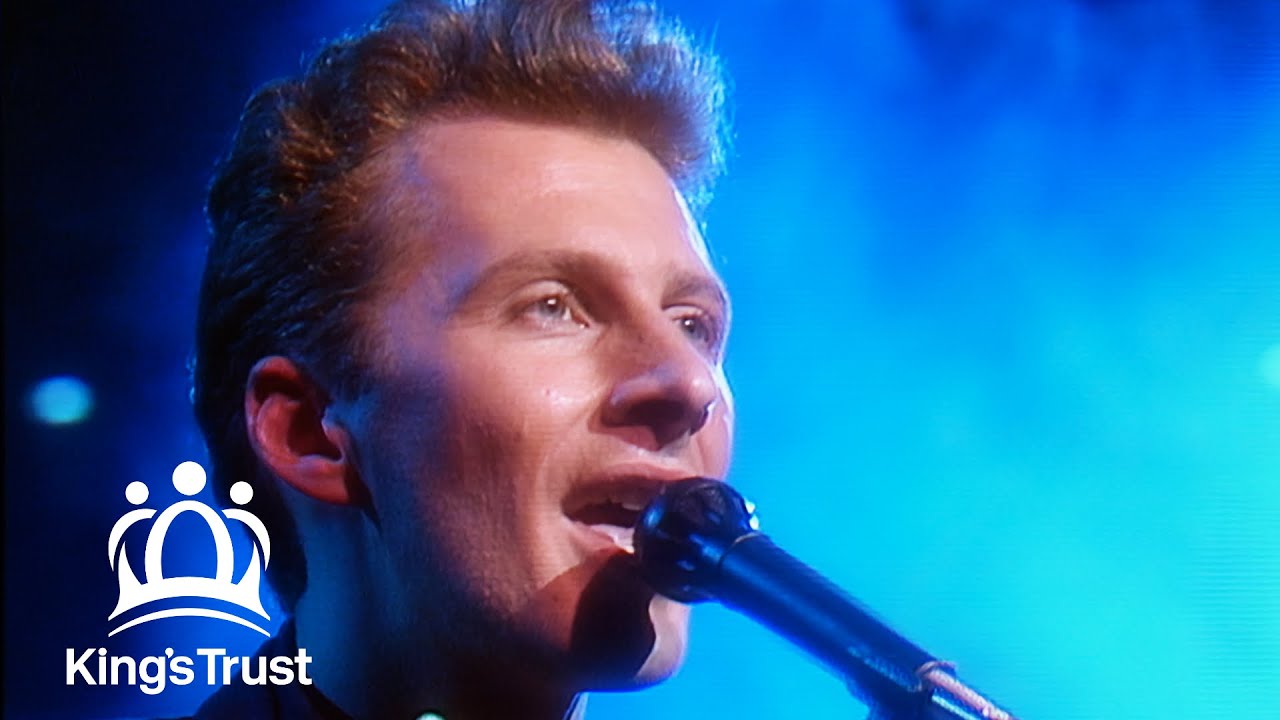
Frustratingly, Colin found it difficult to repeat its commercial success, viewing the track as something of a poisoned chalice, and one that he constantly compared all his subsequent song-writing attempts to.
“Once you have had a hit, it’s hard to write another song without having that in the back of your mind. For a long time, I would find myself hearing, ‘I like it but it’s not Wonderful Life’”
Though the songs that followed were nowhere near as impactful as Wonderful Life there were some sublime beautifully constructed pieces — Paradise and Everything’s Coming Up Roses to name just two (though, now pigeonholed as a moody balladeer, the sight of him bouncing around on ITV’s The Roxy to I’m Not Afraid was somewhat incongruous) — and Vearncombe would eventually release eight albums as Black and six under his own name, the final Black album being Blind Faith in 2015.
“Something happened on the day he died…”
On 10 January 2016 — the day of David Bowie’s death — Colin Vearncombe was involved in yet another road traffic collision, in Ireland, and after sustaining serious head trauma, was placed in a medically-induced coma.
He succumbed to his injuries on 26 January at Cork University Hospital at the age of 53.
George Michael, a contemporary of sorts from 1987, would expire at the same age at the end of the same year.
Not such a wonderful time to be alive after all then.
Steve Pafford