




It’s Tuesday 21 September 1982 and the ‘effervescent’ Elvis clone that is Shakin’ Stevens can’t make his scheduled appearance on the BBC’s Thursday mime show, aka the nation’s favourite chart-based music programme Top of the Pops.
Instead of just running with Shaky’s expense-spared promotional video for his song (a typically tawdry cheesefest called Give Me Your Heart Tonight), the Beeb’s panicked producers make the life-changing decision to fill the gap left by the Welsh windbag with a shiny new pop group by the name of Culture Club.
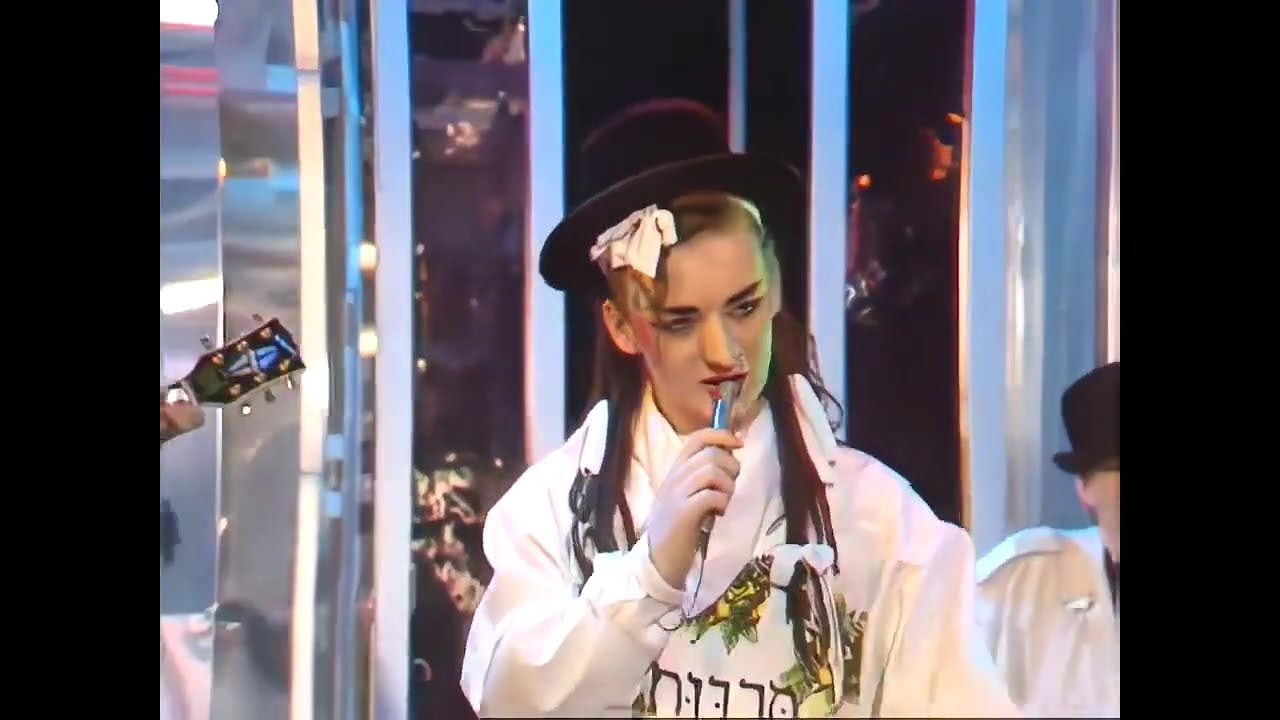
The singer of said troupe was a strange-looking pointy-nosed brunette in a red boater, overlong waistcoat and billowing Hasidic white patterned shirt, more smock than rock. Try to imagine it’s still the early Eighties and prepare yourself for a shock.
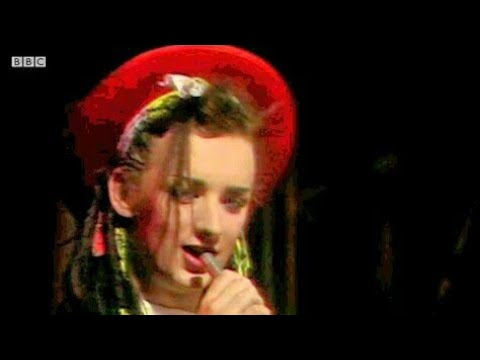
Minutes after the band’s debut television appearance on the show, phones start ringing at the BBC switchboard asking varying degrees of one key question: “What the hell did we just watch?”
The next day, the ‘news’papers run similar stories filled with myriad mock outrage queries along the lines of: “Who is Boy George?” “Is it a boy or a girl?”*
Influenced by dancehall, reggae and blue-eyed soul, the Club’s musical melange was reflected in the pop-peacock’s appearance. Caught somewhere between a preening pirate and a china doll, the frontperson sashayed around in bright facial make-up, winged eyeliner and crimped hair braided and tied with ribbons and rags. He couldn’t dance, but when has having two left feet ever stopped anyone from making an impact?
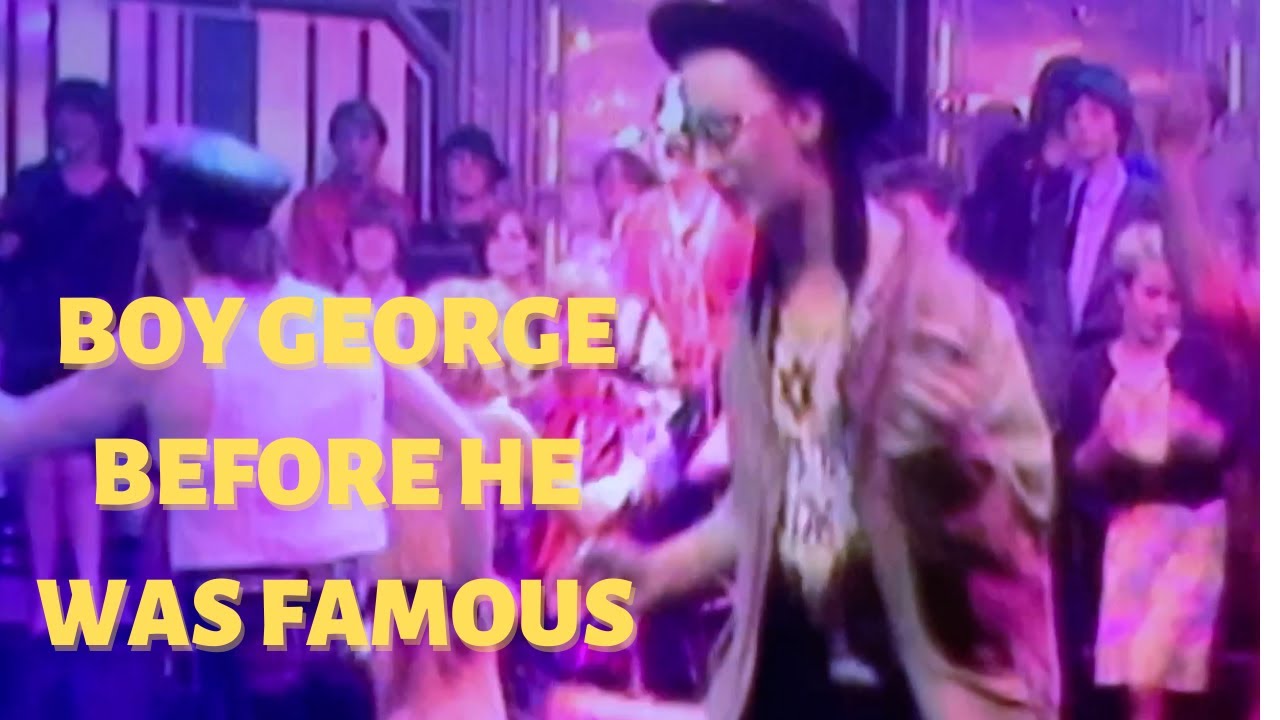
Unlike the anything goes gaggle of today, his club-kid persona was nothing less than a sartorial fight; every image worn with conviction, each sequin, braid and bead laced with punk spirit.
George O’Dowd became, for good or bad, the first major artist to place drag into the commercial mainstream, and within weeks, Culture Club was number one and its flamboyant frontman the nation’s sweetheart, it says here.
Swiftly moving on, here are the occasionally awesome foursome back on Top Of The Pops with hit No. 2. You’ll probably want to skip the lecherous introduction from a dead pervert. Oh, they have already.
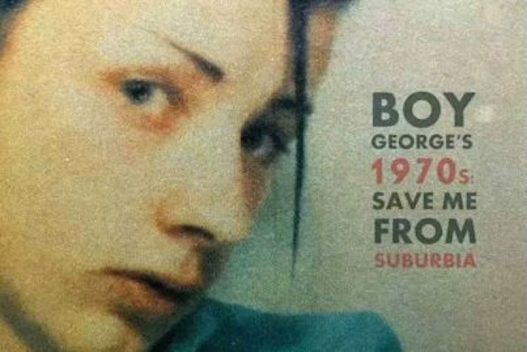
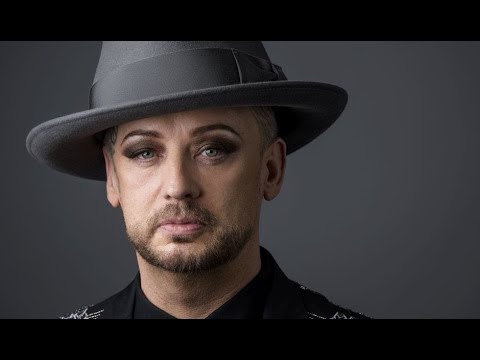
How did it come to this? Where did Boy George come from? What shaped the life of this quick-quipped thin-lipped gender-bending ? These are some of the many questions answered by the lad himself in a recent telly spot as George took the viewer on a very personal pop culture trip through the decade that shaped him — the 1970s.
The Seventies are all too often dismissed by the more, shall we say, snobbish cultural critics as “the decade that fashion forgot,” ridiculed for its supposedly bad taste in sex, style, flair and hair. Yet for George, the 70s was a “glorious decade…all about Bowie, Bolan, dressing up and going out.” The “last bonkers decade,” when the young teenage George discovered all these “amazing things… punk rock, electro music, fashion, all of that.”
Of course, there was the downside to all of this heady excitement: the political crisis, the three-day working weeks, the strikes, power cuts, mass unemployment, grim poverty, anti-Europa sentiment and a helluvalotta racism. But George was too young to know much about any of that. Bullied at school, he sought escape in music and glamour and miming to Shirley Bassey in his parents’ front room in Eltham. He was about to hit puberty. He felt different from the other kids and was looking for a sign that he was not alone in this grey suburban south London landscape.
Then came the sign he’d been hoping for: the day Georgie saw David Bowie performing on Top Of The Pops in 1972. That’s when he knew he wasn’t alone. Bowie – a life-changing influence who lived four miles down the road in Beckenham – “made it OK to be a freak”.
The androgynous Dame in his fire-red feather-cut, Factor Max, and Liberty jumpsuit, his limp nail-polished hand slung impromptu over Mick Ronson’s shoulder as they sang Starman, the lead single from Ziggy Stardust: this was a sign that life could be extraordinary and was just an adventure to be gained.
Airing on BBC2, Save Me From Suburbia is more than Boy George telling his life story, it is an essential history of the events and pop culture that shaped a nation during ten heady years from skinheads and strikes to punk, funk and Margaret Thatcher.
Not so gorgeous George takes us on a foppish, fascinating tour through the decade with a little help from his friends, miscreants and accomplices like Rusty Egan, Marilyn, Princess Julia, Sigue Sigue Sputnik’s Martin Degville, Andy Polaris (the little-remembered zoo troupe Animal Nightlife), and Caryn Franklin—and, most revealingly, his mother Dinah.
All in all, when all dressed up with Boy George as a potty-mouthed host, Save Me From Suburbia is a delight of a documentary and a superb portrait of a revolutionary decade.
Just don’t mention radiators.
Steve Pafford
*And here’s my shameful admission: I watched the September broadcast and not for one second did it ever occur to the green little 13 year-old Steve Pafford that the shifty songbird on stage was anything other than female. It’s enough to make you eat someone’s hat.


