

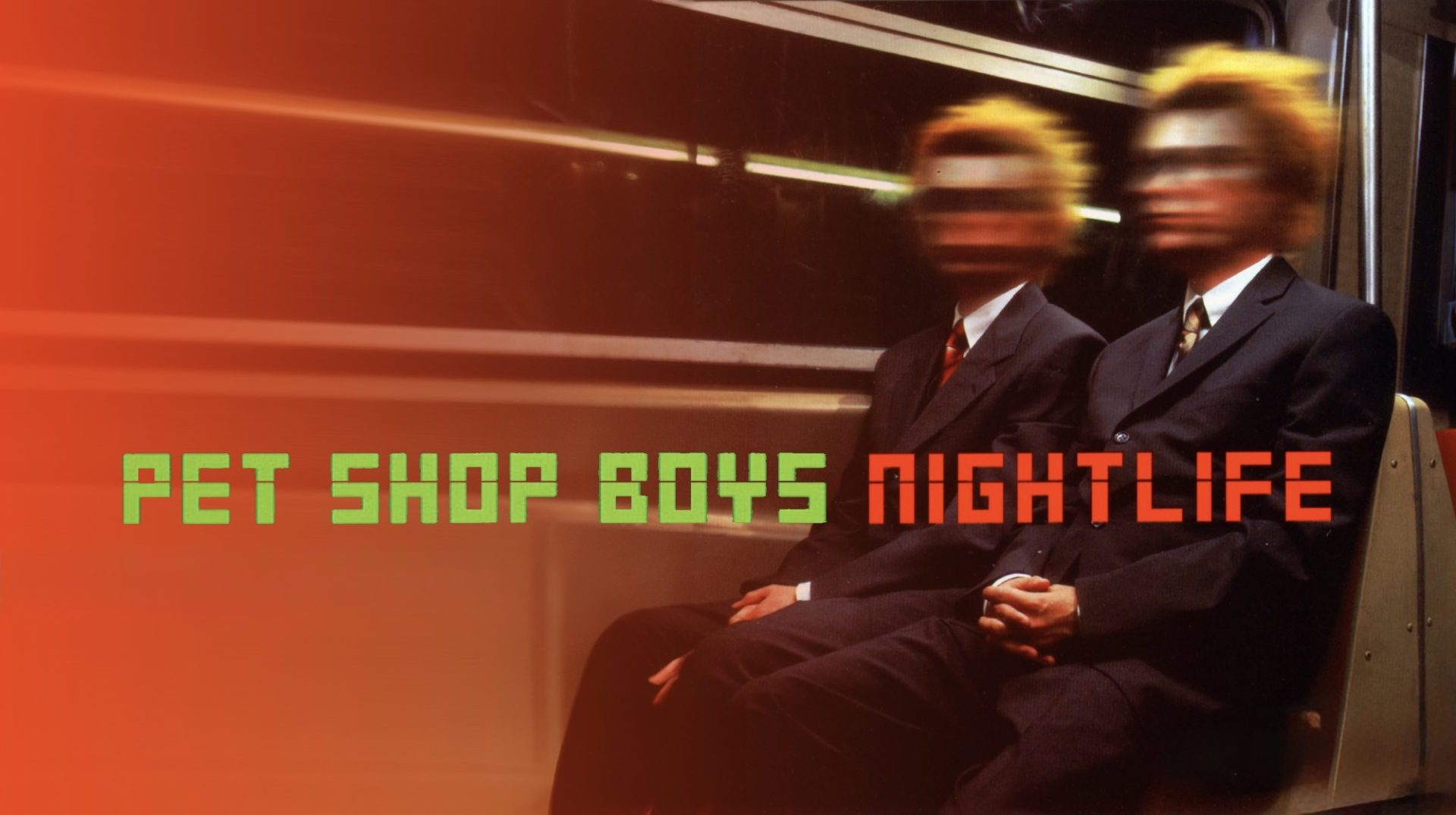
Containing a dozen dance-related offerings (one an incongruous father/son duet with ole budgie gnashers Kylie Minogue), Nightlife is the Pet Shop Boys’ seventh studio album, though it wasn’t planned to be such a thing at all. The set had a slightly difficult inception as the soundtrack accompaniment to the seminal synth duo’s incredibly long gestating “disco musical”, which would eventually open in 2001 rechristened as Closer To Heaven. Clue: it wasn‘t.
If you aren’t up to speed with the myriad less mainstream Tennant/Lowe side projects*, Closer To Heaven was their first collaboration with the so-gay-it-hurts playwright Jonathan Harvey. It’s a working relationship which resumed on the more recent Musik, a far funnier one woman show written for the show’s vampy, trampy protagonist, Billie Trix, pointedly played by Frances Barber.
“At one point,” Neil Tennant told this writer during a surprisingly sober lunchtime interview at the Groucho club (some of which was featured in a Gay Times spread here), “the musical was going to be called Nightlife. Stephen Daldry was going to direct it, and the music was going to be produced by Brian Eno, who we’d got to know a bit.”
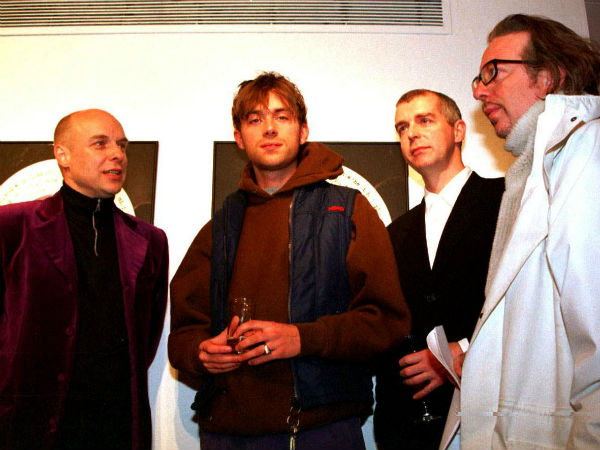
Suffolk, Essex, Tyne & Wear: Eno, Albarn, Tennant, Stewart
After an unproductive day session in the studio (“Oh, I was asleep for most of that,” keyboardist Chris Lowe admitted in the Groucho, somewhat dismissively), the former Roxy Music egghead withdrew from the project, unsurprisingly, telling this writer in Q magazine “it was just an experiment,” much to the boys’ chagrin. Much later, Neil also told me:
“We got to know Brian Eno right after the Somewhere shows – we went to St. Petersburg when he was living there; that’s why we went, actually. When we were starting to plan the musical Closer To Heaven, Brian Eno was going to produce the record of it. He had a great idea about making computers sound human, and we did a day in the studio with him where he recorded a version with us of doing this song called Something Special from the musical.
“Then we were going to do the album, and then I don’t know what happened. He was still living in St. Petersburg and then the musical got delayed… it just never happened. It would be an interesting idea. One of his great things he does is he gives people strategies to write songs, if he’s working with U2 or James or someone. And we arrived at this session with a cassette with 12 finished songs on it, so it would be a different sort of Brian Eno project, I think.”
![Pet Shop Boys - "Nightlife" Press Conference (26 August 1999) [AP Archive]](https://stevepafford.com/core/cache/flying-press/1c660967ce790afda9ccc194395c2287.jpg)
The whole double bubble of marrying the musical to the PSB’s next LP had to change too, largely because of commercial considerations. As an aside, Tennant confided in me that “EMI told us it didn’t make sound business sense, internationally, for our new album to be a load of songs from a stage play in London. That, it wouldn’t make any sense to, for instance, people in Germany, which is our biggest market.”
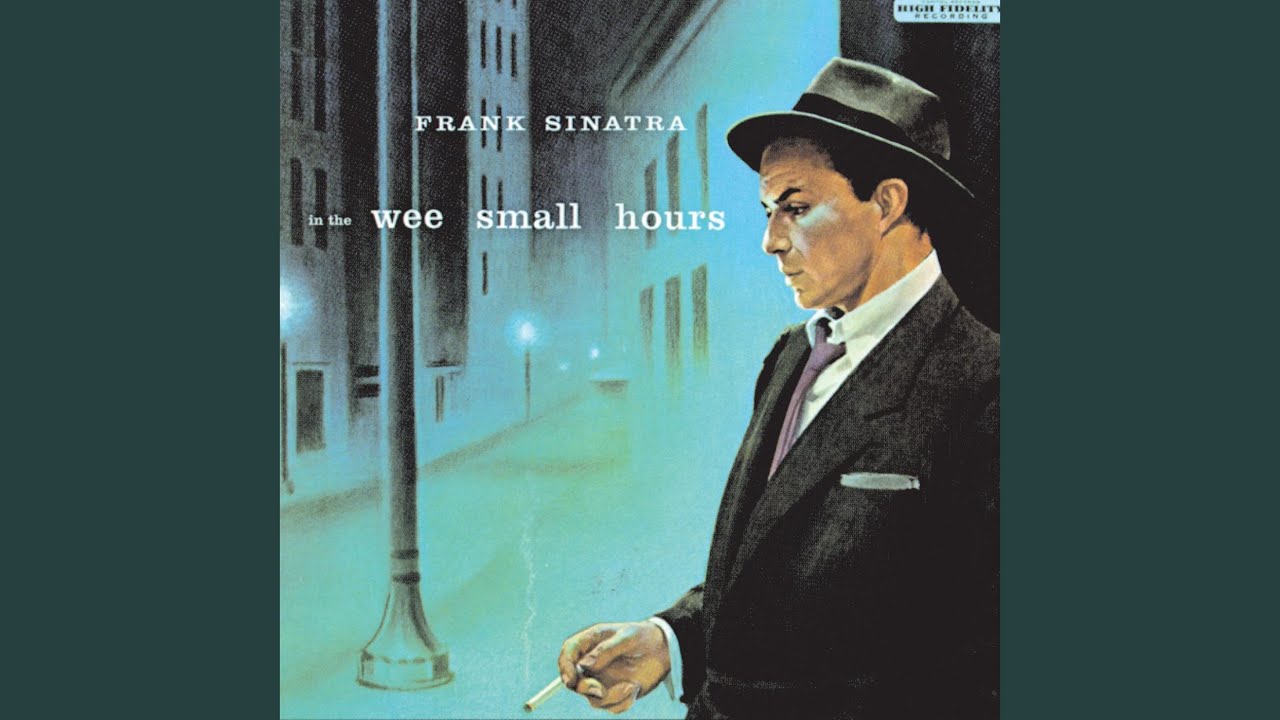
The stage and studio projects did indeed diverge but Nightlife still felt like a perfect title for the boys’ last long-player of the 20th Century, a turn of the millennium which would prove to be a tricky transitional period for the duo. They’ve likened their set to one of the groundbreaking concept albums Ol’ Blue Eyes recorded for the Capitol label in the 1950s, in which the featured tunes were chosen to fit a thematic concept.
Obviously, the central theme of Nightlife is those wee small hours. Thus, all of the songs either take place at night or deal with night time in one way or another. Neil Tennant:
“In terms of its theme, the album reminds me in some ways of one of those Frank Sinatra albums from the 50s like In The Wee Small Hours Of The Morning. It’s sort of modern pop-dance version of one of those, really, where a lot of the songs are about relationships, or waiting for your lover to come and see you. Or wondering why something went wrong and a lot of it seems to happen at night, when people’s perceptions of life are different. In the middle of the night things seem more exaggerated – something bad seems worse, something good seems better.”
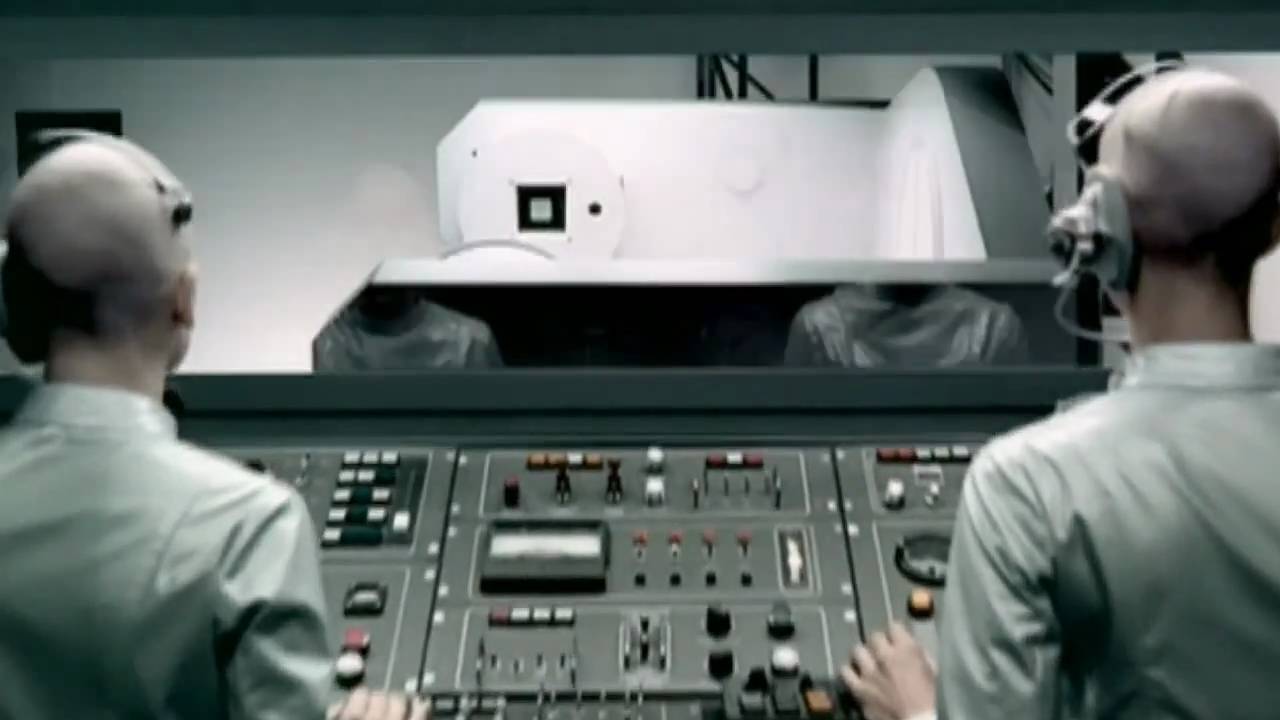
“The album begins with For Your Own Good, and in that song, it’s not really Neil Tennant singing it but a woman whose lover is out getting wrecked every night. She’s at home, waiting for her loved one to come and see her. On the final song, Footsteps, the lover hasn’t returned. He obviously did go clubbing. Again. The woman is at home, waiting, and the guy is in the club. And the record is on both sides. It understands both points of view.”
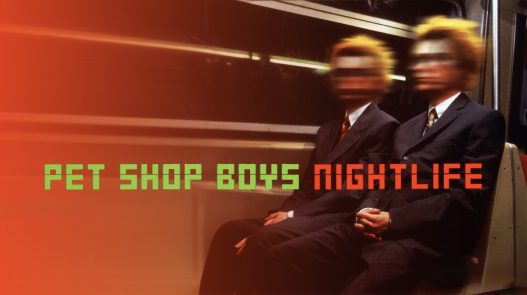
What I’d originally envisaged to be the main focus of this feature concerns Nightlife’s striking sleeve artwork, which was shot by Alexei Hay. The duo had chanced upon a photo in his portfolio of a girl on the Manhattan metro, and Hay suggested photographing ver Boys in the same location, a R46 transit train: “We spent spent three and half hours being photographed on the New York subway,” Neil recalled in Literally magazine, “which is illegal, with lights taped to the hanging rail.”
“This was a great photoshoot, actually, because we were meant to go to Coney Island, but we kept getting on the wrong train, so we never actually got there,” added Chris Lowe, the other one. “But the great thing about New York is that even though we’re dressed like this with great big black eyebrows and make up and frightwigs and everything, not one person on the subway showed any interest at all in what was going on. They’d seen it all before.”
The duo’s glampunk bewigged barnets were subsequently blurred in the images at the instigation of their long-term designer Mark Farrow, slo-mo style, “to give movement to the shots, like you’re on the subway at night,” Tennant attests. “The photo relates to the idea of nightlife because you’re going out.”
A fan of Blondie rather than. the Village People, my mother laughed when she first heard this…
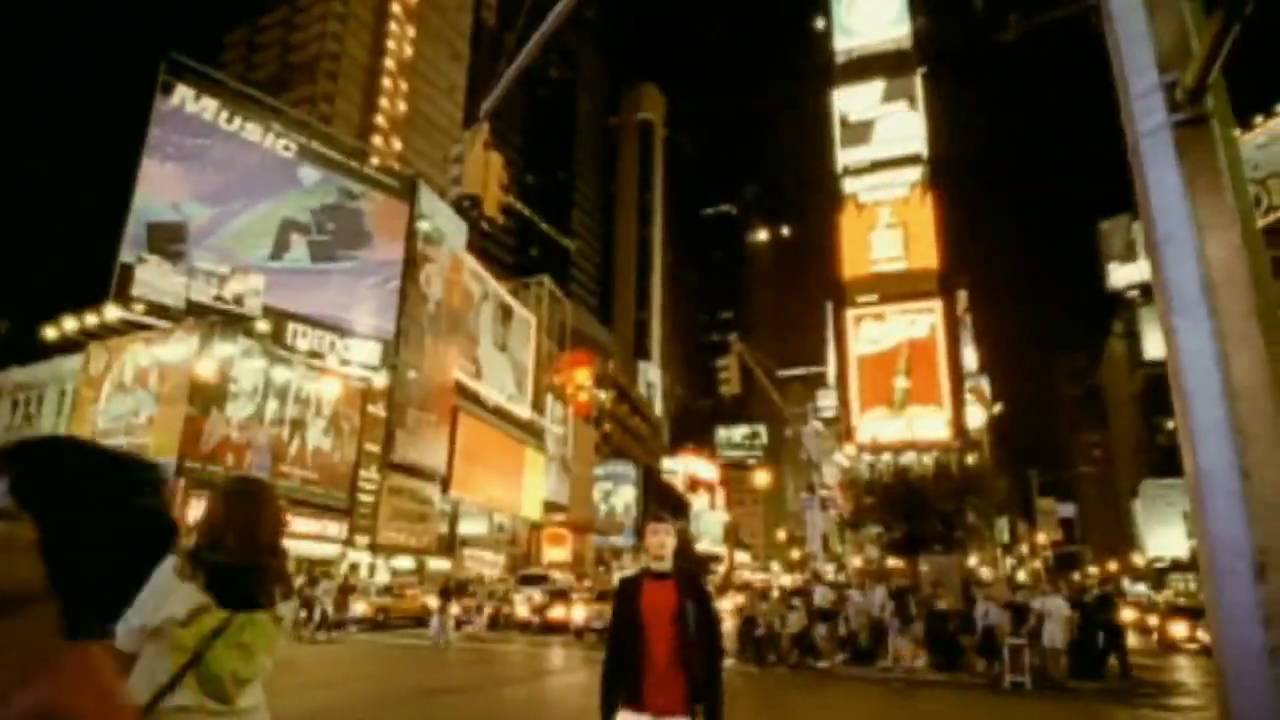
In his inimitable debauched style, Lowe extrapolates:
“The most exciting time for going out is when you actually do live slightly out of town. When I was living in South Ealing, the exciting thing about going out was getting the Underground train into town – you’re all a bit drunk already anyway so you’re acting a bit badly, and you get that real sense of adventure that you’re going to do something great. Whereas if you actually live in the centre of town you don’t have that feeling.
“And in those days you never paid for the ticket, because you’d be really naughty. Happy days…. I love these orange wigs, it’s very Bowie-esque isn’t it? I love the blurred faces, it gets around any retouching. We’ve gone a bit weird, haven’t we? I mean, we’ve finally lost the plot here!”
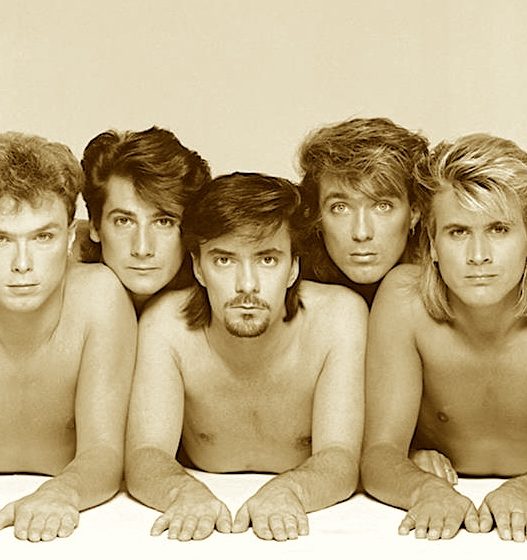
At least they kept their togs on, unlike some people…
![Pet Shop Boys - You only tell me you love me when you're drunk (Official Video) [HD upgrade]](https://stevepafford.com/core/cache/flying-press/82f8a59f43e3576d9723f880e280b1fa.jpg)
Darkly eclectic, on Nightlife there are allusions to hard trance (For Your Own Good), giddy dance (Closer To Heaven), camp disco (New York City Boy) country (You Only Tell Me You Love Me When You’re Drunk), symphonic pop with a wretchedly lazy chorus (I Don’t Know What You Want But I Can’t Give It Any More) and even classical – Rachmaninoff’s Vocalise, Op. 34, No. 14 being the template for the meandering murky almost-single Happiness Is An Option.
The whole shebang was expertly enabled by some heavyweight contributors, including producers Craig Armstrong, David Morales and Rollo, who lends his trademark Faithless sonics to three excellent non-singles about three years too late.
Plus, there was the pink sheep of the family in the shape of In Denial, a slightly creepy father/son duet with a certain diminutive diva. Here’s Vylie!
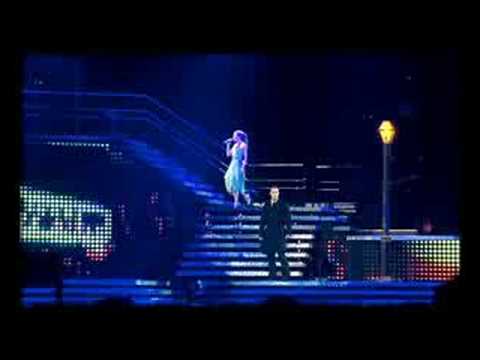
Even so, despite the all-star cast Nightlife signalled something of a downturn in the duo’s commercial fortunes, becoming the first PSB album to chart outside of the top five in Britain. A remastered 3CD edition subtitled Nightlife/Further Listening 1996–2000 was issued in 2017 and includes a wealth of B-sides, additional and unreleased tracks, including Friendly Fire, the song written from the point of view of being David Bowie.
With 2024’s only-beaten-by-Taylor-Swift Nonetheless giving them an unbroken string of 15 albums all charting in the UK top ten to date, all eyes will be on PSB’s next sweet spot — opus No.16 proper*, set for release in 2028.
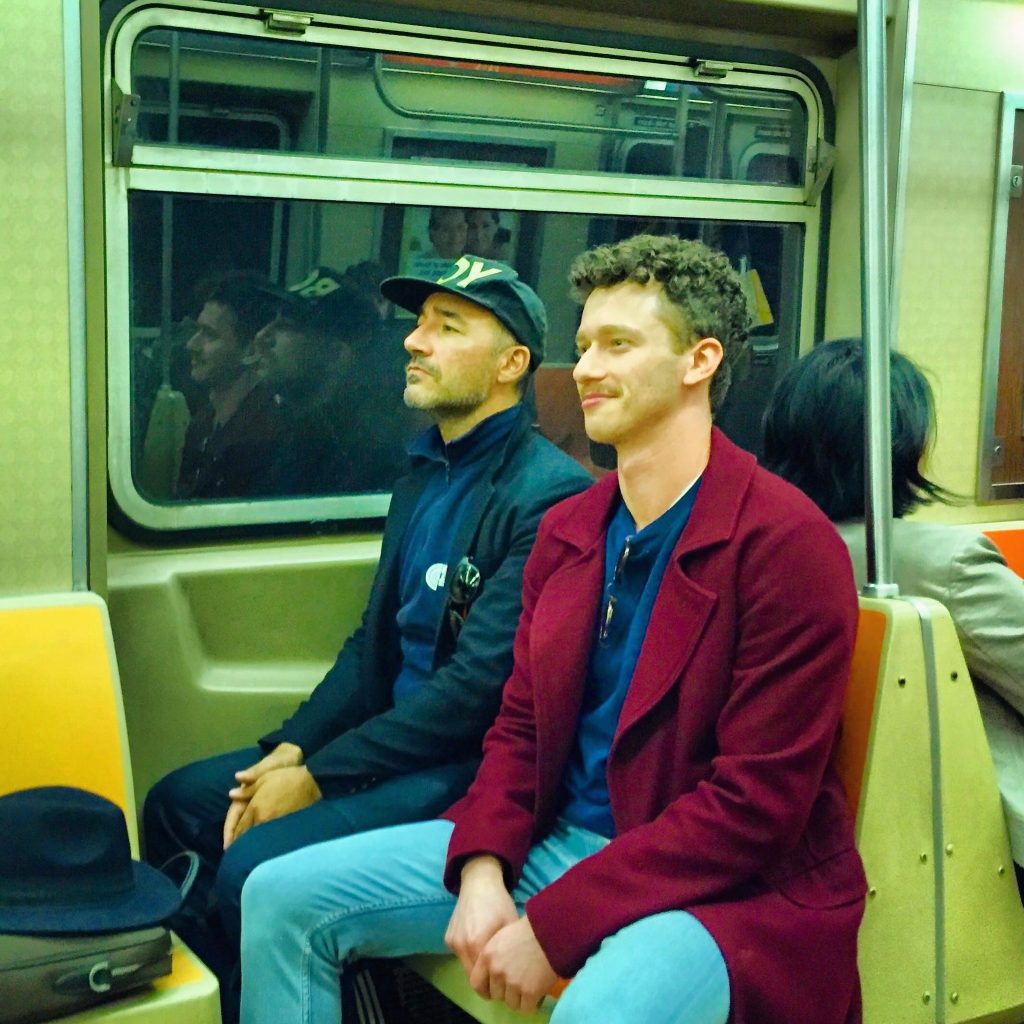
Steve Pafford (the one on the left)
*Before that yet-to-be-determined studio set, PSB will be shifting sideways for an impending Manchester Camarata collab (A Man From The Future, their pseudo oratorio about Alan Turing, produced by Sven Helbig) in late 2026.