



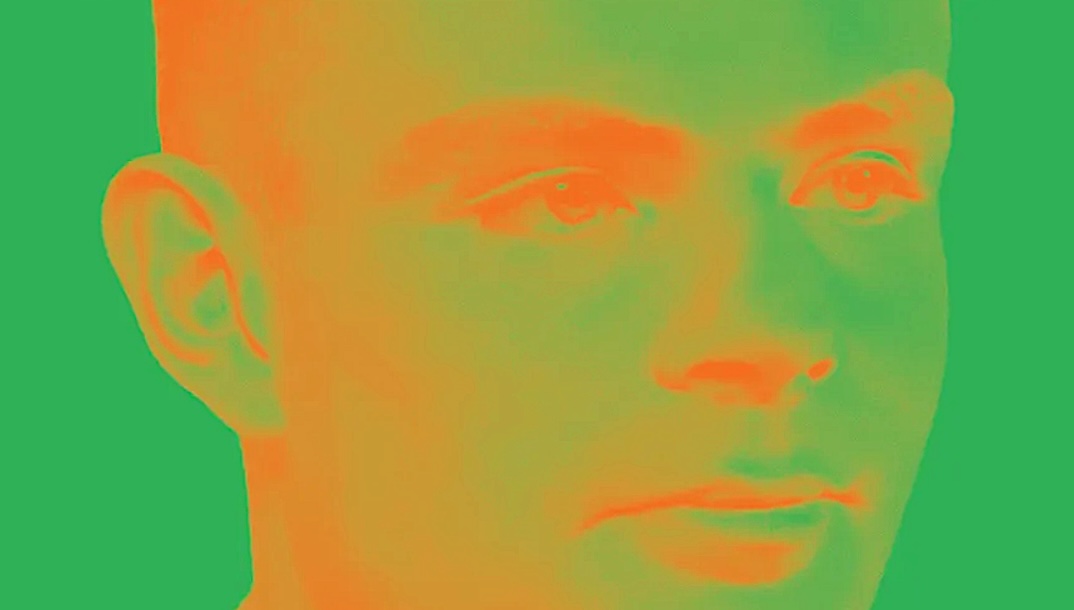
Ensconced as a not always sweet 16 year-old in the Buckinghamshire green belt (though actually born amid the theatreland of London’s Strand, making me a bona-fide WEG), my trusty Letts diary indicates I bought the first Parlophone 12” edition of West End Girls the third week of November 1985, which solidified a lifelong love of electronica few records hitherto achieved.
That I nipped out from Bletchley Park college in my snatched lunch hour to do so just adds to the formidable sense of circularity. Then the area, slightly forlorn and unloved, had been recently unclassified as a top secret site of former national importance. Now, of course, it’s a world class museum destination and historical nerve centre of Britain’s newest city, Milton Keynes. MK’s also home to a staircase, you know.
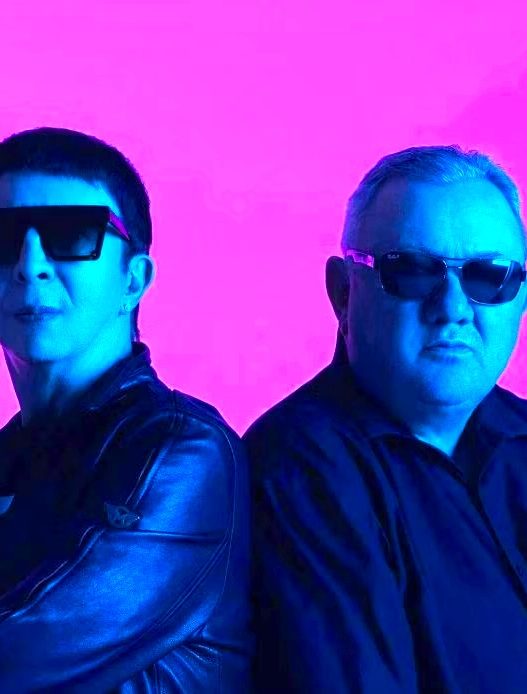
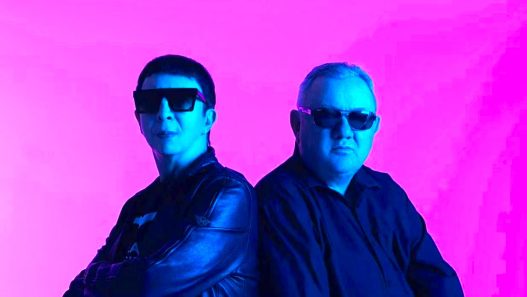
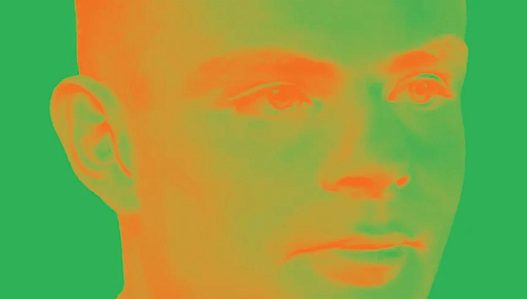
As a gay autistic Bletchley boy who studied at, worked at, and even took his driving test in and around the former Codebreaker site at Bletchley Park, it is a source of enormous pride that those pop polemicists the Pet Shop Boys chose to make Alan Turing the shrine-like subject matter of their latest album. It must be obvious? Well, if I can paraphrase Frank Sinatra, it’s story much too sad not to be told. And, well, I don’t see anyone else from the music world doing it.
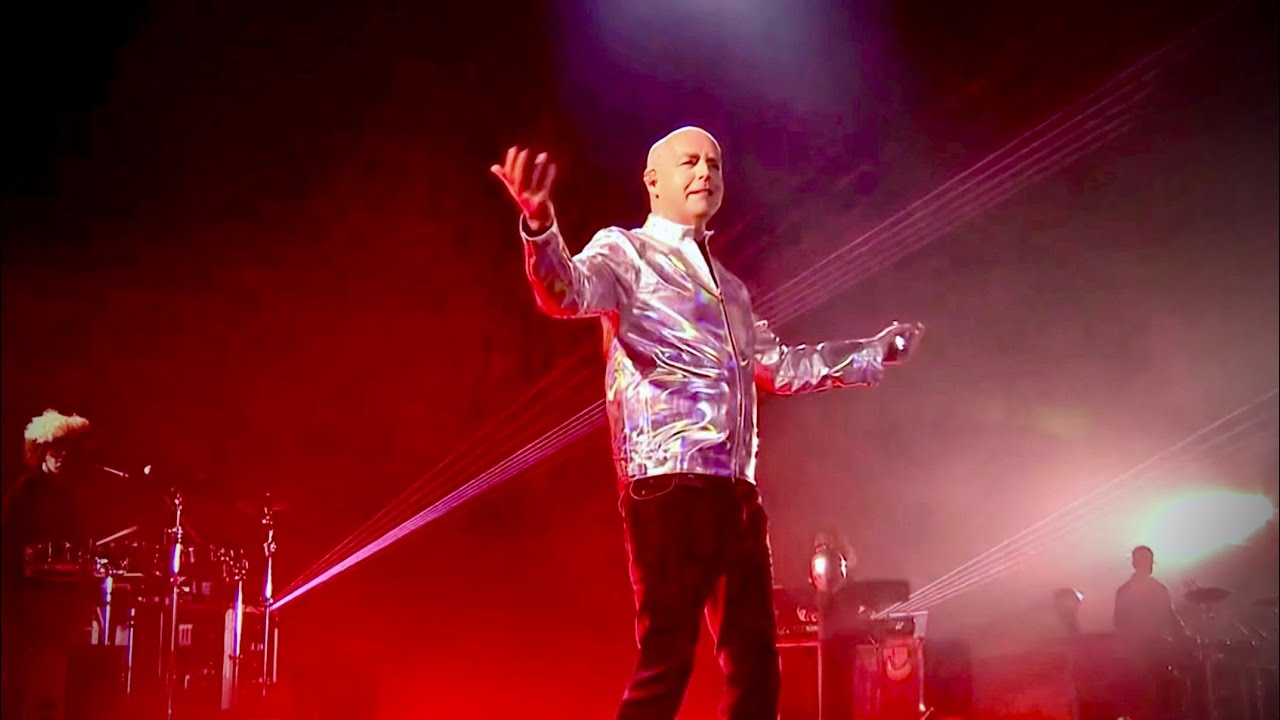
“During the war, at Bletchley Park, Alan told people quite openly that he was homosexual,” Neil Tennant told Radio Times, incredulous at the frankness of the eccentric genius who helped crack Germany’s encryption machine, Enigma. “This, of course, shocked people – it was illegal, disgusting and immoral and all the rest of it.”
Indeed, Turing was eventually prosecuted and endured the barbarousness of state-mandated chemical castration. In 1954, aged 41, he took his own life by eating a cyanide-laced apple. He was, then, an early martyr in the fight for equal rights for LGBTQ+ people.
But as NT points out, the autistic Alan was, by all accounts, a painfully honest and logical person who “didn’t see anything wrong with [expressing his sexuality]. With that attitude, he’s a man from the future.” Thus, in tamden with Turing’s invention of world-changing technology, “those two things are intertwined.”
Beautifully moody and thumpingly thought-provoking, A Man From The Future is a coruscating conjoining of trademark PSB machine-programmed soundscapes with a cacophony of strings performed by the eight-piece Manchester Camerata Octet and arranged by a returning collaborator, noted German composer-producer Sven Helbig. Several boys from Manchester Grammar School choir sing on half the album, too.
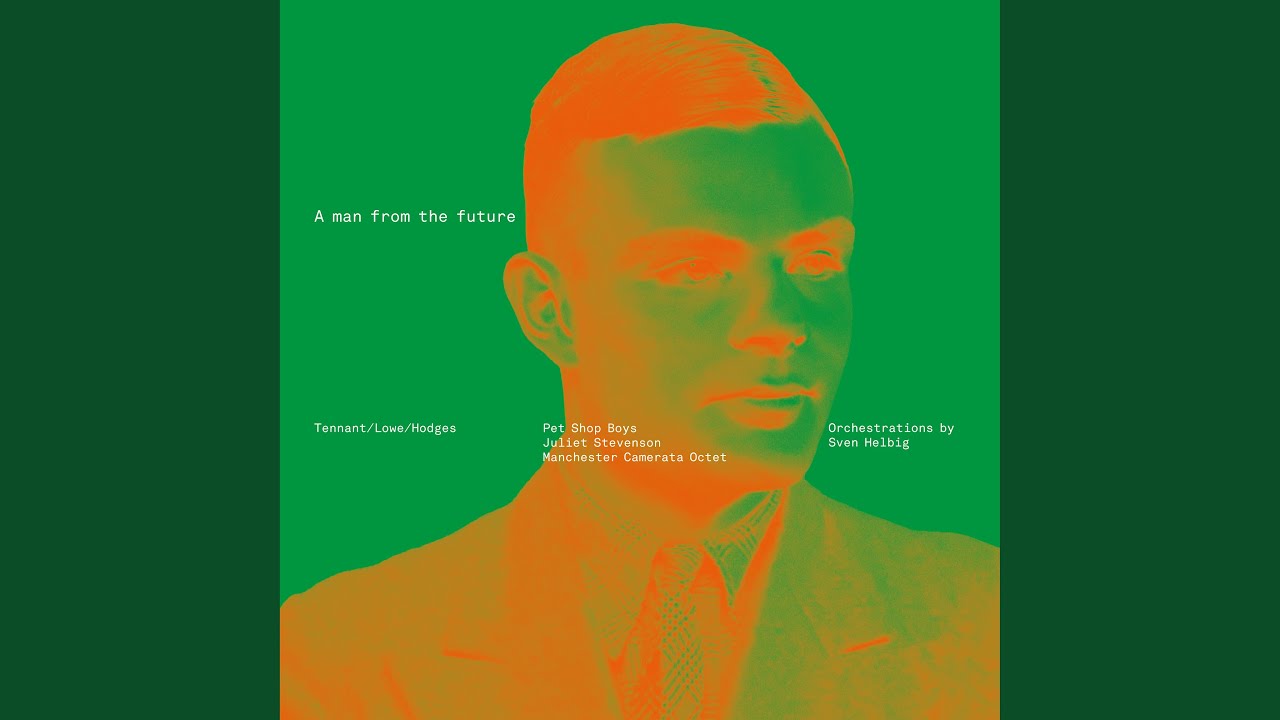
But a self-contained semi talkie that starts its story in 1926 and spends much of its time reciting the minutiae of a strange chap who’s been dead 72 years? Therein ‘rages’ the debate is it a Pet Shop Boys album?
Of course it is, but surely the fact there are various credits emblazoned on the cover, there is no single (not even at buzz or promo level) and, crucially, no One Word Title either tells you all you need to know: this is a slightly experimental side project which sits outside their regular pop canon but does slot in nicely next to a pair of prior semi-classical long-players generally filed under Tennant/Lowe rather than the “formal” PSB oeuvre: 2005’s Battleship Potemkin soundtrack and 2011’s The Most Incredible Thing ballet score, both orchestrated and co-produced by Helbig.
Tellingly, all three adapt, expand, and/or accompany existing historical works. Alas, crashing into the combined UK charts at n-n-n-n-nineteen (though No. 6 on the more representative physical albums chart, and #7 in Belgium and #8 in Germany, amazingly), slightly muddies the waters in the PSB or not PSB LP discourse, though such a position is a not inconsiderable achievement for such an uncommercial endeavour, especially when BP and TMIT reached the lowly depths of 97 and 57 respectively.
For that it’s worth, Tennant and Lowe have started pre-production on their sixteenth studio album proper — the follow-up to 2024’s Nonetheless — with a view to a will to have it finished by the spring of 2028.
Though he’s slightly less enamoured with it than I, I’m delighted to welcome stevepafford.com’s 20th published guest scribe*, the Alpha US male that is Steven Vil, to assess the Turing pseudo oratorio. Take it away SV….
As a longtime admire of Tennant & Lowe’s output I was excited for their latest album A Man From The Future, a biographical concept album about the life of WWII codebreaker Alan Turing. Seeing as how the British cryptanalyst is regarded as not only the father of artificial intelligence but essentially the man who created the first working computer, one would think this was a match made in heaven, especially as PSB are renowned for creating their music with a host of programmable music machines.
Well, sadly not. Not really. And if I were headline writing I would probably plump for Electronic Pop Mavens Miss The Mark On Latest Release.
The Pet Shop Boys are iconic synthpop pioneers with a considerable career now in its fifth decade. But on this passion project Neil Tennant and Chris Lowe, as they are sometimes wont to do, have piled on the orchestrations, with the end result taking A Man From The Future, conversely, back to the non-future sometime in the mid 1800s.
Sure, the art of the boys channelling Debussy licks is a pretty thing, but making a concept album about the man who invented the computer and then limiting the use of computers to create their aural audiobook feels like even PSB didn’t quite know what the message they were aiming for was.
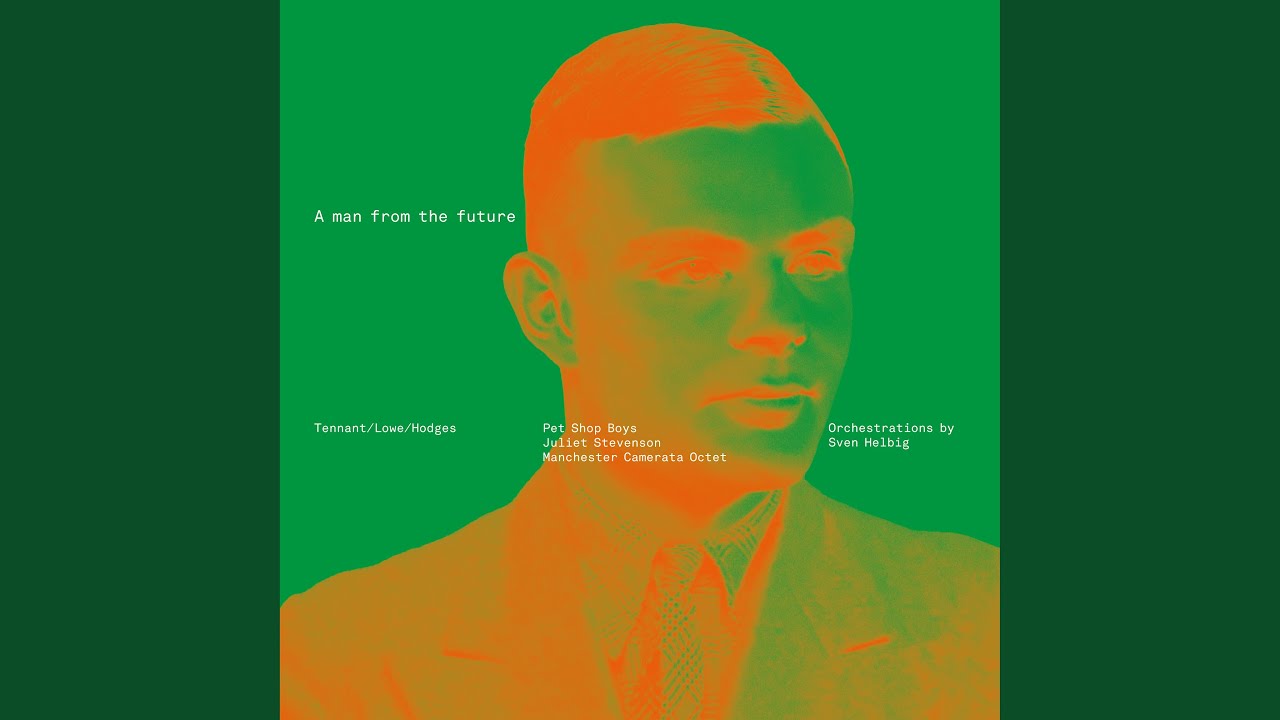
Each script is based on passages authored by Andrew Hodges in his exhaustive biography Alan Turing: The Enigma, hence why the artist credit officially reads Tennant/Lowe/Hodges, because classical records are generally filed by composer rather than performer.
As with the project’s expansive live premiere as part of the BBC Proms in 2014, all eight chapters have been narrated by Juliet Stevenson in her oh-so clipped Aunty Beeb meets the Ice Queen am-dram delivery. Patrician or patronising? Maybe both, if I’m honest.
And if the veteran actor’s crisp diction is as dry as a maths textbook, and Sven Helbig’s usually evocative orchestrations signal a few too many flowery flourishes of theatre in the mix then the third element goes one worse: our man Tennant, replete with in the background children’s choir, sing repetitive rounds of irksome refrains such as the bleeding’ obvious “science and sex” while sounding like they really should be looking for the rotter who tore out pages of their communal dictionary that explained what “nuance” and “subtlety” mean. Perhaps this is a nod and a wink to binary code but I doubt it. It all sounds like a sixth grade history lesson to me.
Luckily, the CD edition comes with an additional disc of all eight pieces as instrumentals so the music can be enjoyed without the narration or mantras. There is also an Atmos-mixed blu-ray which offers a third way: the No Narration option, which excises Stevenson and reinstates Tennant and his cornucopia of choralists.
With intermittent carpet bombs of analogue synths that throw you back to the eighties, Lowe’s pulsing electronica is always listenable but it just doesn’t scream “a man from the future”. Some of the more intricate motifs from 2014 have been stripped back and smartly reworked into a tighter, more electronic-focused suite. Oh, and heck, at least they got rid of an infantile Fisher Price-sounding piano part that totally spoiled previous renditions of Natural Wonders (cheers Brian!).
Case in point: occasional Morse code-enhanced sequencer lines drift in and out of the fairly conservative orchestrations, more like a mandatory PSB conceit than something the duo felt was necessary to advance the sonic tapestry. Having said that, the additional string flourishes in He Dreamed Of Machines are quite lovely, while The Enigma, only one of a triumvirate of tracks under five minutes a piece, is a fan favourite for the ages and deservedly so. Likewise, the chilling use of Oscar Wilde’s words before Turing’s tragic end lingered long after the final track faded, updated for 2026 with its contemporaneous references to AI and an apology to the LGBT community on behalf of the UK government from former PM Gordon Brown.
It’s a rarity that a Pet Shop Boys project misses the mark for me but unfortunately, this one does. For all its emotional resonance and conceptual ambition, A Man From The Future is more like a superior radio play with pseudo songs than a synth storybook, and I can see it is already occupying a strange space in the PSB catalogue. It demands a very specific frame of mind from the listener, and I have no doubt it’s destined to be an occasional, deliberate listen rather than a work many will enjoy and return to often. It is undoubtedly a classy and sophisticated endeavour yet strangely non-futuristic even for the bygone time period of its exalted scholarly subject.
File under Educational. Other ranks are available.
Steven Vil is lead vocalist and synthesizer for New Jersey industrial band Elektrikill: www.elektrikill.com
*With a slightly more minor Bucks connection, messrs 21 and 22 in the additional author stakes will follow in a matter of days. Eventually…