


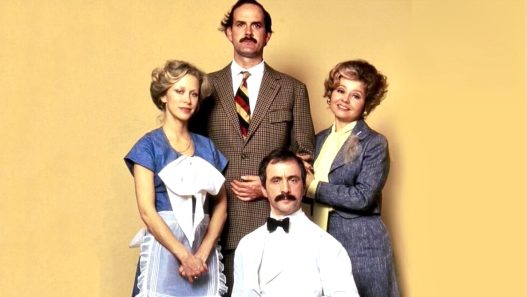




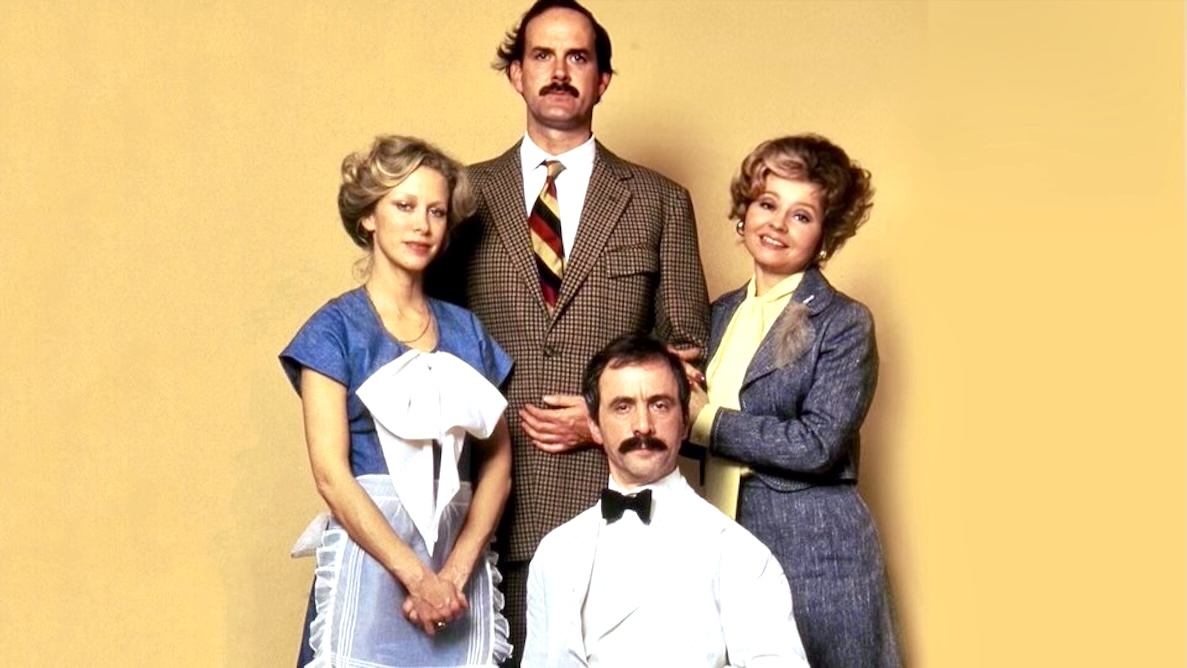
Forty-seven years ago this week the very final episode of Fawlty Towers was broadcast on the BBC. And — get this — for a programme so utterly woven into the fabric of a nation this comedy classic didn’t even warrant an airing on mainline BBC 1 either, but sneaked onto the schedules almost apologetically on the much less popular BBC2, that is until ‘Aunty’ caved in to public pressure and broadcast reruns on the main channel in the 1980s.
This won’t be a particularly unique experience but I can remember exactly when and where I was when I realised Fawlty Towers was one of the greatest television series ever made. Indeed, anyone who knows me well enough will know how much of an ardent FT aficionado I belatedly became. I mean, I might struggle to remember what I had for dinner last night but I could still recite vast swathes of script for each one of the dozen episodes at you until you hit me on the head with a naughty moose and call me Fraulein.
What is unique is how, as time marched inexorably on, I discovered how this one parochial programme — just six hours of recorded output but an international legacy that arguably outstrips all other contenders — its fictional Devonshire setting on the English Riviera in Torquay, and its real-life location filming in the Buckinghamshire countryside where I grew up, has inadvertently played an inedible role in helping to shape who I am.
Guess what, because October 27 also happens to be:
- The date my fellow cast members and I took our final bows for Adam Stafford’s theatrical stage show presentation of Fawlty Towers at Bracknell’s South Hill Park in 2013.
- The first anniversary of the death of Prunella Scales, who played the coiffured old sow, Sybil Fawlty, to absolute perfection.
- The 87th birthday of her screen husband, the owner-manager of the “crummiest, shoddiest, worst-run hotel in the whole of Western Europe,” Mr Basil Fawlty himself, the co-creator of the show along with his then wife Connie Booth, the one and only John Cleese.
As a prelude to a five-person assessment of the Perfect 10 of FT episodes this is a very personal story of counties, cassettes, clans, and much much more.
It was a crisp winter’s evening in February 1990. Nelson Mandela had just been released from his island incarceration in South Africa, and yours truly was working a couple of evenings a week at a local side hustle: in layman’s terms, a part-time chef’s job at the Different Drummer on Stony Stratford High Street, a quaint characterful coaching thoroughfare where Buckinghamshire meets Northamptonshire, and an old haunt of the Time Lord himself, Tom Baker.
By the nineties, this ancient inn — it dates from from 1476 though the current façade is Georgian — was (get this) a small and shoddy family-run hotel of dubious merit and scathing reviews. Deservedly so, I might add.
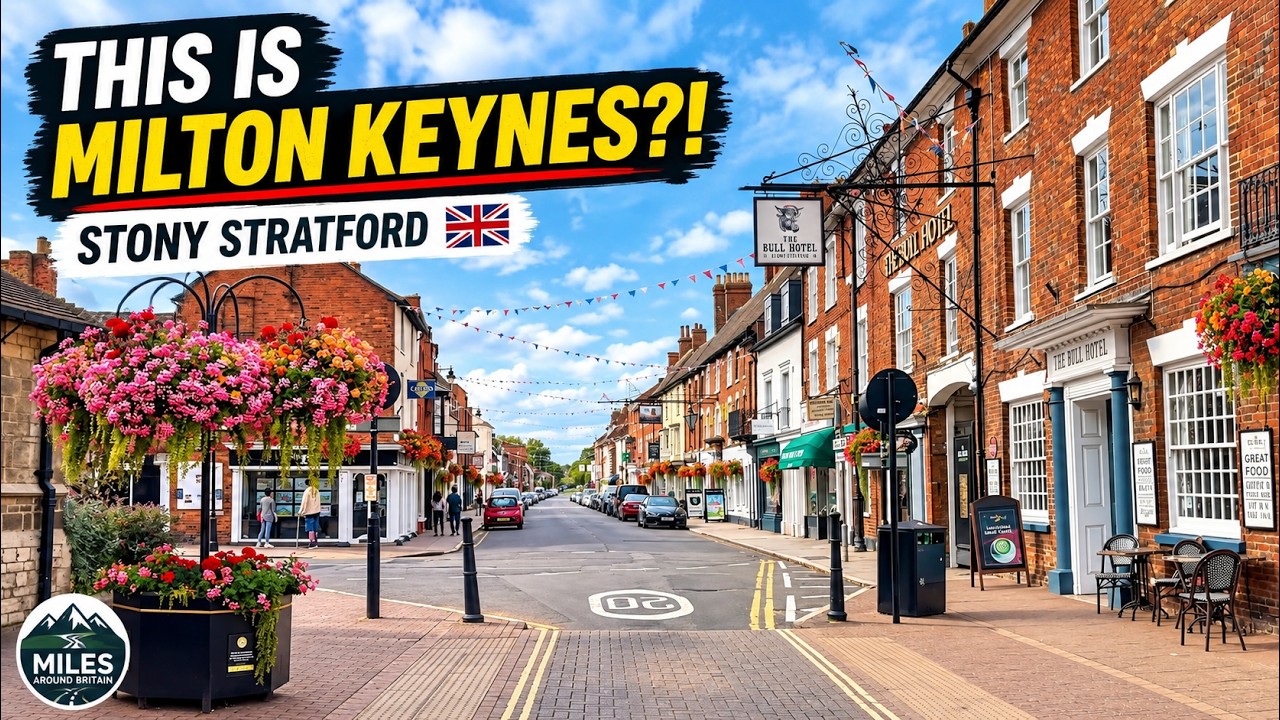
Though this dilapidated, dysfunctional Drummer was located in the south of England, in geographic terms the parallels with a certain BBC sitcom kind of end there. The owners weren’t West Country types from Devon or Dorset but Indian and Irish (the considerably dodgy Keswani clan), and more flashy than classy. This northern extremity of what is regarded as the bona-fide English Home Counties (ie the ones that immediately encircle London) wasn’t the so-called English Riviera either. Far from it. Far from the sea, in fact, as this stretch of south and east Midlands are about as inland as you can get in Great Britain.
Ostensibly, the nights I was on at DD I ran the kitchen single-handed. Yes, it was that quiet, for good reason. A lovely bubbly attractive young lass with a Scouse accent thicker than Ambrosia effectively ran the dining room and reception on these ghost nights. She was from Skelmersdale and for argument’s sake we’ll call her Jess because she really liked Just Like Jessie James, the so-so Cher song in the charts at the time, and she liked to talk and sketch on her notepad while nattering on the phone. Reminding you of anything yet?
If Jess was busy or otherwise engaged on the loo, any requests from the guests in their flea-bitten, bed-bugged patterned cells would come though to me on the internal phone while I didn’t slave over a hot stove. Indeed, one wet Wednesday night I took a call from a gent upstairs who asked if it was possible to watch the movie Once Upon A Time In America.
As waitress Jess was temporarily incommunicado I knew the drill. I had to hotfoot it to the ramshackle shed where a VHS recorder was set up with a box of random video tapes next to it. Whichever guest was quick off the mark and got their request in first meant that that they would dictate the televisual feast piped through to every room on the makeshift the video channel for the next couple of hours or so. The phrase On Demand was only beginning to take off, but do we think Bernard Cribbins would have been satisfied?
But — oh dear — I couldn’t find the film. If I think about it, even though this Sergio Leone-helmed crime flick boasted a coruscating performance by Robert de Niro the whole shebang goes on for so long that I realise I was doing the other guests a humongous favour. I also did myself the greatest favour imaginable because as I quickly scoured the contents of the box I spotted some videocassettes all with a familiar looking title. The same name in fact. As there were four of them, dating from 1984, with three episodes on each tape. It was a series and it came courtesy of BBC Video Ltd.
When I saw the name Fawlty Towers I immediately remembered it as a comedy from way back that my parents liked. If that sounds generational then it kind of was. Not that I was immune to the charms of its leading lights.
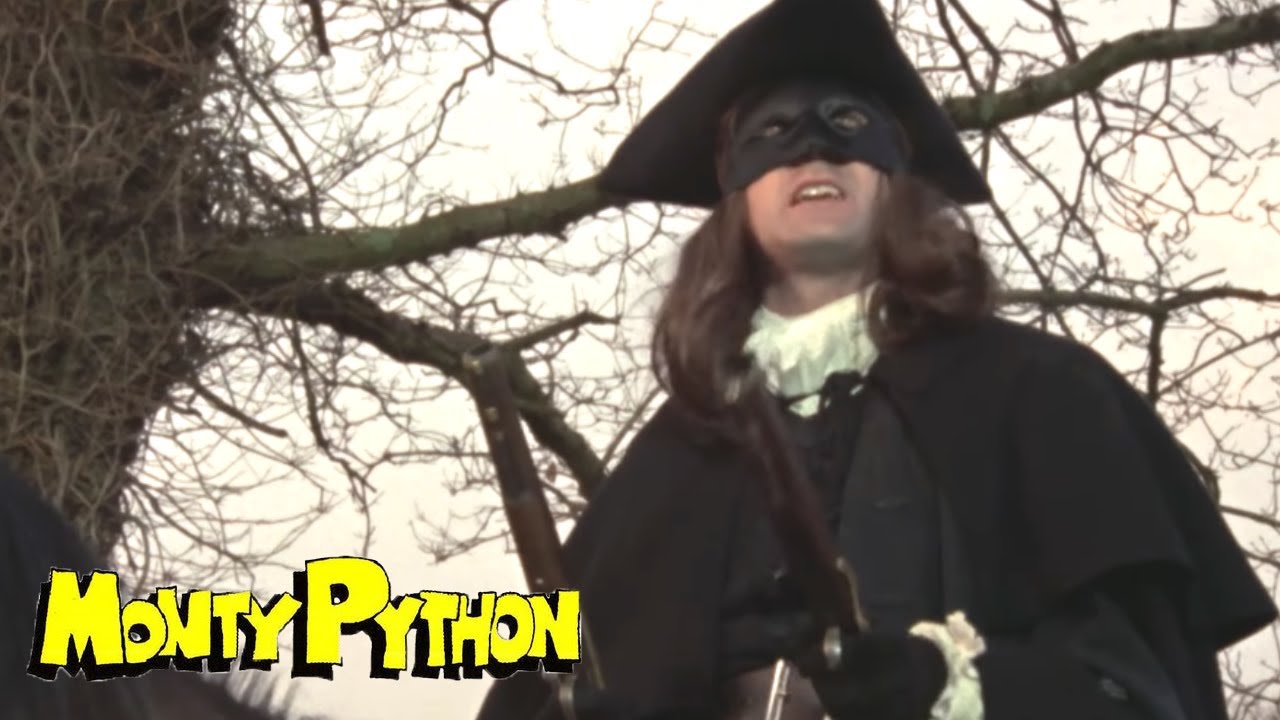
Even though his own cousin, the telly satirist-turned-evangelist Malcolm Muggeridge, had famously sparred with John Cleese and Michael Palin over The Life Of Brian, no one in our house was as keen on Monty Python as my father. Though it tickles me to this day to cast my mind back to 1981 when the promotional video for the first single I ever bought, Stand & Deliver! by Adam & The Ants, owed much of its panto aesthetic to Cleese’s turn as the highwayman Dennis Moore in a Python sketch.
That same year this nascent and hugely naive 12 year-old even set his trusty new portable cassette player to tape a version of Joe Dolce’s singular shite Shaddap You Face off the radio, where it, courtesy of weekend BBC Radio 1 DJs Tony Blackburn and Ed ‘Stewpot’ Stewart, the knock-off 45 received more airtime than it probably deserved.
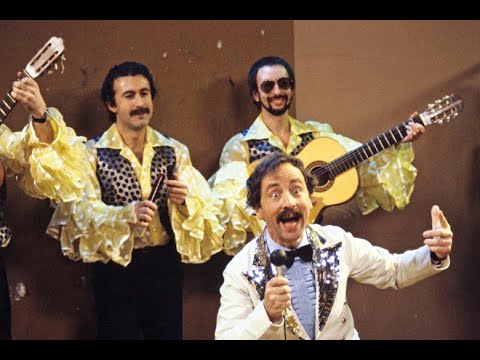
Rush released by Elton John’s Rocket Records, in February 1981, just as Dolce’s detritus ditty was about to claim pole position, the cover by Andrew Sachs, aka the world’s most beloved buffoon from Barcelona, is up there with The Laughing Gnome in terms of comedy choon greatness, obviously. Taken at face value, I much preferred it to the nauseating original. In fact I still do, and something tells me Midge Ure probably does too.
Even though Cleese’s mid-80s comedy road flick, Clockwise, was a big family favourite I had to concede that in 1990 Fawlty Towers was something I might have passively watched with mother and father if it wasn’t past my bedtime, but this dainty bygone relic was never something I’d tune into of my own volition. That was about to change, and how.
This titan of telly hadn’t received a terrestrial reshowing for about 18 months at this point. But even though Judi, Claire, Richard and I had a riotous time catching a showing of Cleese’s A Fish Called Wanda one post-pub Saturday night at Milton Keynes Point (the UK’s first multiplex, for what it’s worth) in October of 1988, when Fawlty Towers was repeated that same month I sat it out, inexplicably.
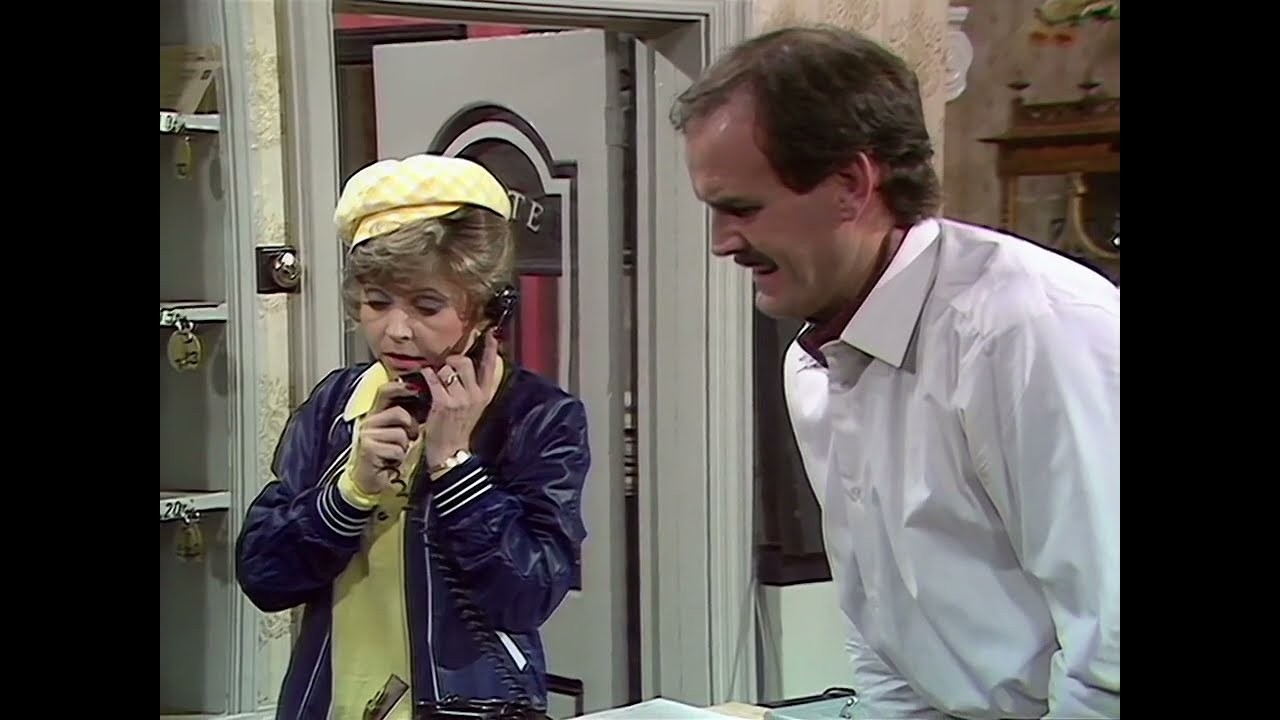
Having said that, during those ’88 rebroadcasts — where FT had been finally upgraded to BBC One prime time — I did catch the odd snatched scene if I bothered to venture out of my bedroom bubble and make the odd excursion into the lounge, where my parents were savouring every minute of every rerun. Even now I can still hear my father guffawing loudly from ear to ear as he witnessed Sybil rumbling Polly’s attempt at impersonating someone on the phone calling on behalf of the Irish builders. That was Dad’s initial trade, after all, so I guess the O’Reilly characterisation resonated all too strongly.
I had some serious catching up to do, evidently. Yet despite my teenage indifference, being a birrova bookish music geek who would memorise anything and everything in front of him I couldn’t fail to be conscious of how critically acclaimed Fawlty Towers was, and how, for instance, scores of journalists and celebfolk in the music industry gave it an exalted place in British popular culture.
To put that in the context of the time, when, unlike, say, Only Fools And Horses, no new episodes had been made for over a decade, slotting in incongruously among expositions on baggy and Manchester, I recall the writers of one esteemed rock weekly (almost certainly Melody Maker or NME) even voted Fawlty Towers the greatest programme ever made, with the simple explanation that the sum total of its contents was “six hours that shook the world.”
In a major survey of over 100 professional British comedians (covered by the BBC), Fawlty Towers was voted the UK’s favourite sitcom, taking about a third of the total vote from comics and professionals. We could be here all night, but the roll-call of popsters who cite FT as their favourite sitcom includes Debbie Harry & Chris Stein, Boy George, Kate Bush, Robert and Grant from Massive Attack, Jim Kerr, Alex Turner from the Arctic Monkeys, Noel Gallagher… and the singing legend that is Martin Scorcese.
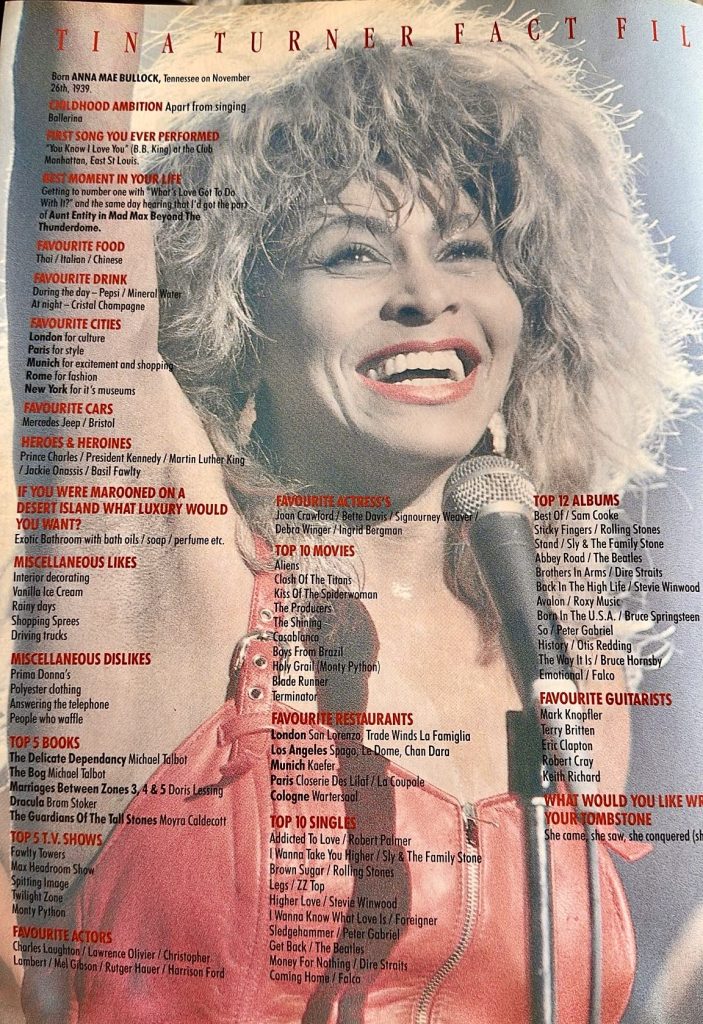
Talking of Turners, I can even remember my sister Stella (she’s the one that later emigrated, Elsie-like, to Canada) and I sitting on the concourse floor of Euston Station the week I turned 18 in June 1987 thumbing thorough Tina T’s Break Every Rule tour programme as we waited for the late train back to Milton Keynes Central. We’d just been to see the legendary lady at Wembley in what was our very first concert in the capital, and being utterly amazed what I read in the personal file questionnaire thing.
There, as bold as brass, among the answers this titan from faraway Tennessee gave to a series of fairly innocuous, generic queries, Tina proudly stated that not only was Fawlty Towers her No.1 TV show — with Cleese bookending her fave raves with Monty Python in fifth place — but that among her quintet of heroes and heroines, squatting alongside real-life world-renowned figures such as Kennedy, Onassis, Luther King and, erm, the then Prince Charles, was the ageing, brilliantined stick insect himself, the very fictional Basil Fawlty. You, quite literally, couldn’t make it up. Which is why I’ve got a little something for you anyway.
And as if to sledgehammer home the point I’ve helpfully gathered a few examples of starfolk waxing lyrical about the wit and wisdom of FT. You’re welcome.
Benny Andersson and Björn Ulvaeus were such Fawlty fans that at the height of their own fame in 1979 they took its creator out to a swanky dinner in Barbados with one specific purpose: to ask him if he’d like to write the script (the “book”) of a musical stage show they were planning, centred around New Year’s Eve. Nice work if you can get it, right? Except John Cleese’s dislike of rock and pop is up there with Sinatra, with his highbrow musical tastes famously closer to snooty Basil’s than ABBA’s, thus he point blank turned the Swedes down with a curt “No!”, and all that remains of that proto Mamma Mia project is the Super Trouper song Happy New Year.
Comedians Sacha Baron Cohen and Jo Brand are also on record as huge Fawlty fans, as is Ricky Gervais, who says his decision to end The Office after two series was hugely inspired by the “less is more” philosophy of FT’s 12 episode maxim.
Staying in the comfort zone with Aunty, Doctor Who and Sherlock showrunner Steven Moffat says he often looks to Cleese and Booth’s pacing and high-stress scenarios when constructing his own comedy writing, describing the two series as “peerless”, noting that FT “is my favourite sitcom. It’s the best thing ever. I’ve laughed more at Fawlty Towers than anything else, ever.
Back to songsmiths via Paris and Berlin, David Bowie, Brian Eno and Iggy Pop were well known for wiling away downtime while recording albums such as 1977’s Low by treating themselves and their resident musicians with recordings of Fawlty Towers.
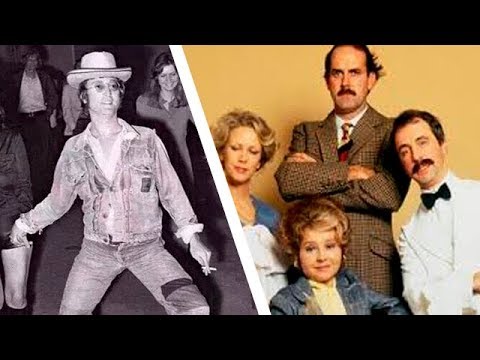
And, most poignantly, in December 1980, just hours before his life was cruelly cut short in a Manhattan archway, a Beatles legend was at New York’s Hit Factory studio complex, where he was laying claim to being the show’s most famous advocate.
During his penultimate recorded interview John Lennon told Radio 1’s Andy Peebles with explicit certainty: “I love Fawlty Towers, I’d like to be in that, you know… Fawlty Towers is the greatest show I’ve seen in years… what a masterpiece, what a beautiful thing.”
Oh, those four video tapes? I may have been walking on thin ice but I took them home and never returned them. In my defence, if I hadn’t committed such a dastardly deed then chances are you wouldn’t be reading this very article. Ah, give us a biscuit.
Part two of this story follows shortly
Steve Pafford


