






“You might remember
How it used to be
6 and 9 could show you
Any fantasy…”
For the UK’s ninth National Album Day, I’ve chosen the sixth solo set by Bryan Ferry, which has, conveniently, just been reissued on overpriced crystal clear vinyl specially for the occasion.
Released the first week of June 1985, Boys And Girls was Ferry’s first release since Roxy Music ceased being a recording concern and, setting the audio template for almost everything that followed, includes contributions from a veritable smorgasbord of guest musicians, including Mark Knopfler, Nile Rodgers, and the two Davids, namely Gilmour and Sanborn.
It’s also Bryan Ferry’s only solo chart-topper to date, and, on a personal level, it has the curious distinction of being the first record I bought with my very first pay packet, having just started a Saturday job at the British Home Stores canteen restaurant in Central Milton Keynes. My charmingly modest hourly rate? £1.35. In other words, that one LP purchase took over half of that first paycheck. Except it was in finger-licking cash, thankfully.
To add a drop more context, in preparation for this article I did a rough count-up of the albums I would have already owned pre-B&G, and with long-players generally being in the region of three or four times the price of a single it wasn’t actually that many. And obviously, if they hadn’t been gifted they would have only been obtained by that worthy endeavour Your Pocket Money Or Your Life.

So, to surmise, there was one Eurythmics, two Dead Or Alive, three Visage, and, as a reflection of how I’d got there: eight Adam Ant-related.
Unsurprisingly, there was a requisite starter kit quota of Bowie, too — probably only Let’s Dance, Tonight and maybe no more than half a dozen from his classic era that I’d started rewinding through.
A trio of those 70s RCA International re-pressings were fresh on my turntable too, as, during a visit to our local Virgin music mecca, Mother treated me to a tasty Ziggy-era trio for my 16th birthday the same month Boys And Girls was released.
Oh, I guess I should admit there was briefly also U2’s War in there somewhere but does it count if I got bored with it and returned said LP to the shop within weeks months?
So back to BF then.

Considering how bitterly disappointed some of us were in Ferry’s tech-troubled and lethargic Live Aid set, it’s a miracle I bought the thing at all. However, it’s the singles wot won it.
By that I mean by the time of handing over the readies on my BHS lunch break, the not uncommon age-old policy of two great hits maketh a potential album purchase came into play, as that same September Don’t Stop The Dance was hovering just outside the top twenty.
Not quite the top 10 airplay smash its predecessor Slave To Love had enjoyed, but a solid success nonetheless, and one of my mother’s own favourite 45s. Sublime is my word du jour.
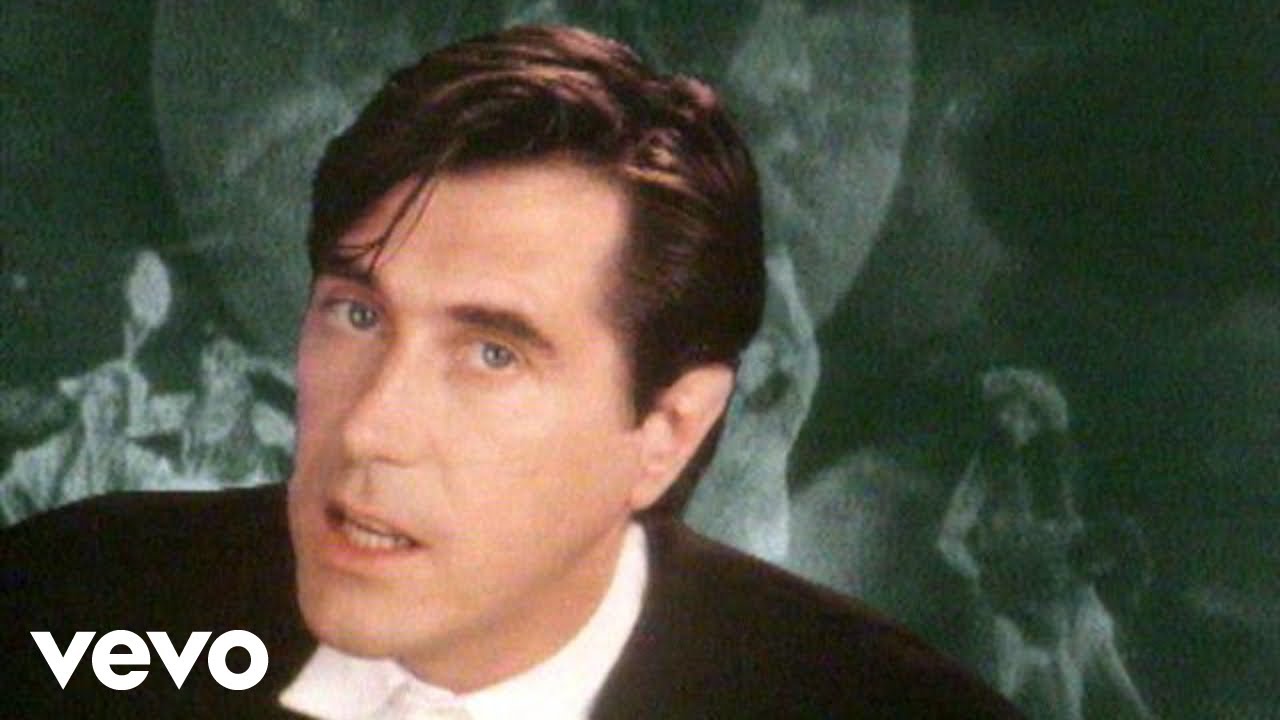
A luxurious blend of art rock, soulful pop and atmospheric textures, Boys And Girls is rhythmically stronger than Avalon, while concision (eight songs, plus one minute-long segueway) means there’s little danger it outstays its welcome as the 38 minutes showcase Ferry’s increasingly lackadaisical laidback vocal style and refined, elegant arrangements.
Kicking off with Sensation, the funkiest, most Roxy-ish offering here — not to mention the cut that affords a certain Chic frontman chance to show off the reason why he’s arguably the most celebrated rhythm guitarist in rock.
Listening again to the album as sequenced the quality of the sonics and songwriting demonstrate how remarkably well Boys And Girls has aged, and is certainly a more satisfying, well-rounded listening experience than any of those EMI albums the Dame was tossing off in the mid 80s.

Not everything is unimpeachable, mind: Valentine sports an ersatz reggae groove that immediately evokes the worst of Bowie’s Tonight, Stone Woman is Sting’s Roxanne as Medusa, while impressionistic The Chosen One wouldn’t necessary be my choice to open the set’s second half, even though it does boast some cracking finger-popping bass lines courtesy of Neil Jason as they hover elastically over fellow Roxy sessionist Andy Newmark’s thumping drum patterns.
As perfectly polished as a centuries-old beach pebble, third single Windswept oozes balmy beauty, with its lush synthwash punctuated by bursts of dreamy Spanish guitar and Sunburn’s jazzy alto sax, albeit restrained by the mellow mood as Ferry’s world weary croon almost disappears blissfully into the mix. And although it missed the top 40 altogether the track remains a firm fan favourite, especially when prefaced by the cinematic swirl of sound that is A Wasteland interlude.
If there is a palpable sense of impending writer’s block (thankfully a few years away), it’s worth pointing out that Boys And Girls is only BF’s second solo set composed entirely of his own material, as it goes through the machinations of love, quest and toil before it closes out with a mediation on soul-searching in the face of loss.

Case in point: Simon Puxley’s suitably stylish artwork contains Bryan’s personal dedication to his father Frederick, who died the previous year. Due to the proximity of the text at the end of the credits I’ve always associated the tribute with the album’s brooding, hypnotic coda. In other words, the majestic and mournful title track.
Funereal in tone and gloriously grandiose, time has slowed almost to a standstill as a drum machine in mid-tempo mode ticks out those final vital seconds. As the mortality-inspired lyric hits home, this sombre sublimity channels the inevitable realisation of a final departing sentiment, and the reason for “why there’s no sun in the sky” becomes painfully clear: “And who’s that crying in the street? / death is the friend I’ve yet to meet.” Blimey, I don’t think even Nick Cave penned anything as utterly despairing as that.
Even so, Boys And Girls is one of Bryan Ferry’s most moving and powerful pieces, the heavy highpoint of a slightly underrated parent album that has more than stood the test of time.
Steve Pafford


