


Almost since time immemorial the musical theatre has been a special place for gay identification and expression, arguably exceeding even opera at its most dramatically theatrical. Not only have gay men traditionally had great affinity for it, but they’ve shared in its production history at every level. Among them are leaders in the field marked flamboyant such as Ivor Novello, Cole Porter, Noël Coward, Leonard Bernstein and Stephen Sondheim.
It almost seems as if the dream of every sensitive young man was to take Broadway or the West End of London by storm, yet the actual thematics of musical theatre could be as heterosexist as those of any other representational form of the pre-Stonewall era.
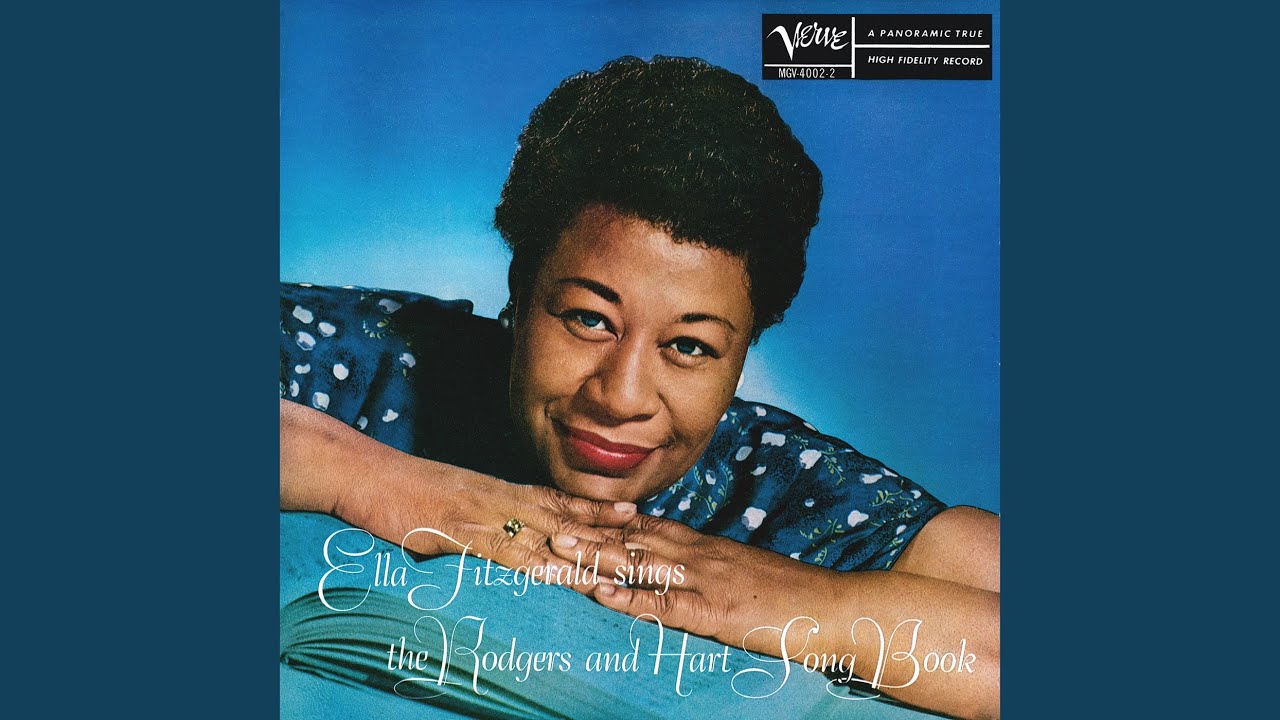
No better example of that pre-uncode is the story of Lorenz Hart, recently immortalised on celluloid in Blue Moon, named after one of his most celebrated signature songs — though I’ve always had a softer spot for Manhattan, particularly the benchmark interpretation by Ella Fitzgerald. Its strolling, sarcastic cynicism is the perfect way to start the day, which is why I set it as my CD alarm clock music during the year’s sabbatical I lived in The Netherlands.
Marking the anniversary of Larry’s untimely death from pneumonia on 22 November 1943 we’re delighted to welcome an old chum but a new contributor to the blog, Steve Nallon. A Yorkshire native, Steve’s an actor, author and voice artist of some repute, most memorably lampooning everyone from Margaret Thatcher to David Attenborough on Spitting Image and The New Statesman. We’re delighted he’s now one of the scribe gang at stevepafford.com, too.
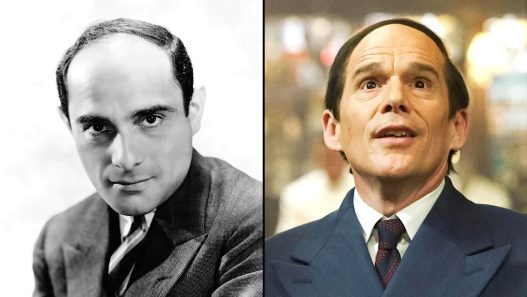
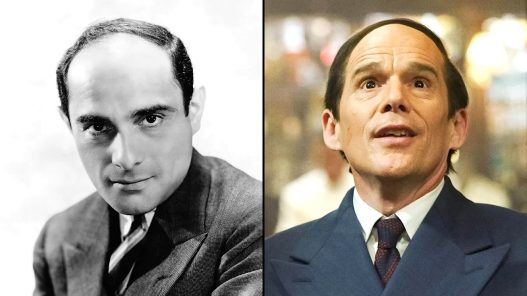
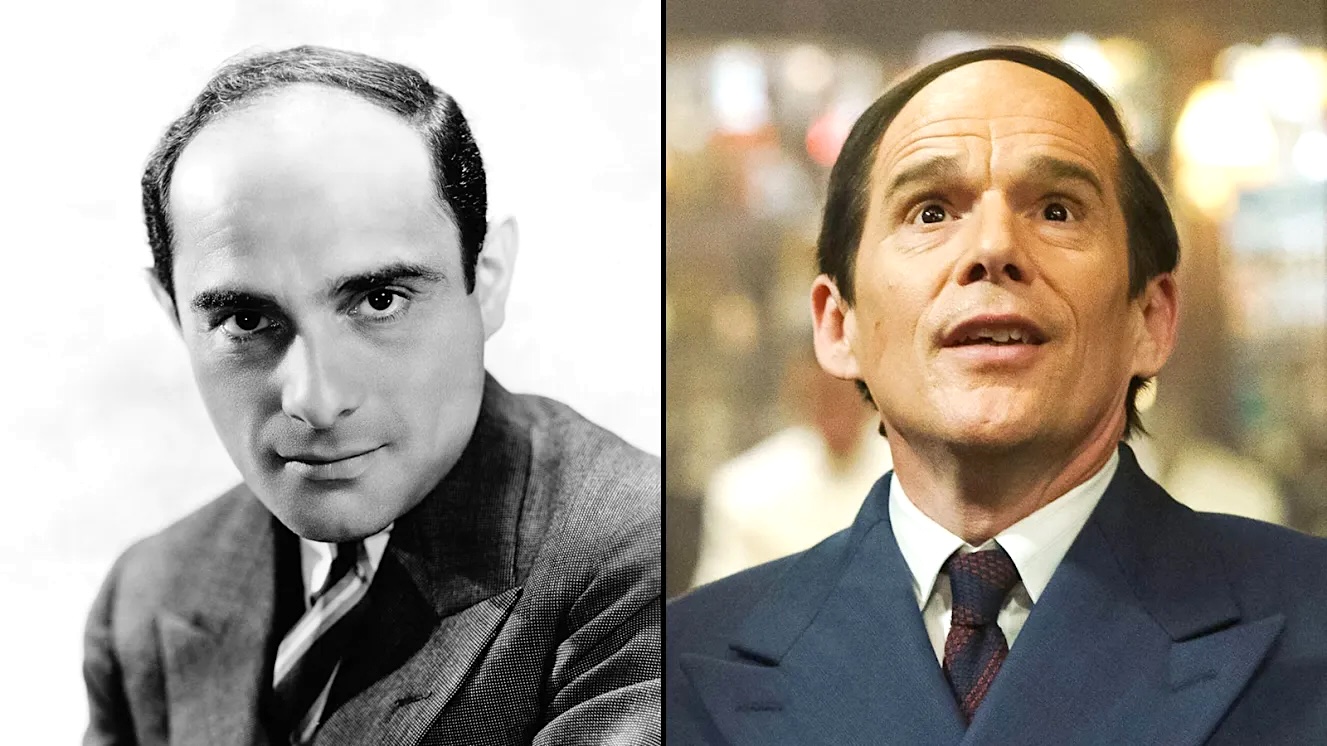
Back in November of 2025 I was fortunate to attend an awards screening of Blue Moon, the then new Hollywood movie which tells the story of the opening night of Rodgers and Hammerstein’s Oklahoma! It’s recounted from the perspective of the latter half of Rodgers and Hart, a songwriting partnership which, until that fateful evening in March 1943, had lasted a quarter of a century. Ethan Hawke plays Lorenz Hart – or ‘Larry’ as he was known to his friends – and it’s an extraordinary performance of great wit and depth. Though the movie itself is a little stagey, and, frankly, some of the casting is a bit off, Hawke’s performance is utterly terrific despite being several inches taller than the person he’s portraying.
Until Blue Moon, Lorenz Hart was in danger of being consigned to near-invisibility, though not for me. Quite by chance I came across his name listening to The Benny Green Show on BBC Radio 2 back in the 1970s. Benny, a jazz saxophonist, would analyse the music of the Great American Songbook and talk about the characters who created it. Coming from a jazz background, he knew all the stories and the gossip and would chat freely about Hart’s alcoholism and complex sexuality on a Sunday afternoon. And this was 1978, remember.
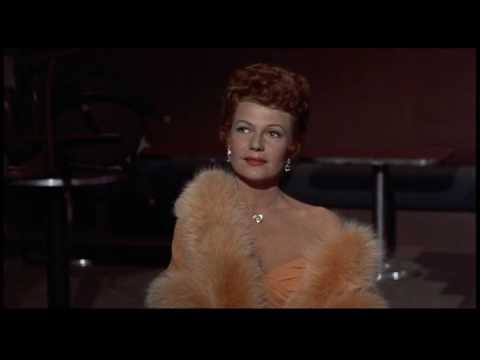
I was already aware of songs such as The Lady Is A Tramp, Manhattan, and My Funny Valentine because in those days Radio 2 used to play them regularly, but Benny’s programme became my go-to weekly lecture on the creatives behind the classic songs of the 20s, 30s and 40s. In fact, I became so beguiled by Larry’s lyrics that I bought Thou Swell, Thou Witty, a 1976 collection of his work by his sister-in-law Dorothy Hart, which offers a fascinating insight into the songwriting craft. It’s a book, incidentally, I still have and read.
Hart was short (5’4”), not the best looking guy in the world and his homosexuality, which was known in the musical theatre world but was kept a secret from the press by his friends, became a kind of torment for him. Mabel Mercer, one of the great interpreters of the songs of Rodgers and Hart, said Larry was the saddest man she ever met. But what touching and bitter-sweet lyrics he left us.
Hart’s genius was his outwardly cheerful and upbeat lyrics which were packed…only just out of sight…with acidic social commentary and devastating put-downs. So many Rodgers and Hart songs long for a love that can never be, too. Just listen to He Was Too Good To Me, A Ship Without A Sail, Spring Is Here and It Never Entered My Mind. But Hart’s songs were sexy too, such as sneaking the double entendre of “He’s a laugh, but I love it / Because the laugh’s on me” into Pal Joey’s set piece Bewitched, Bothered And Bewildered.
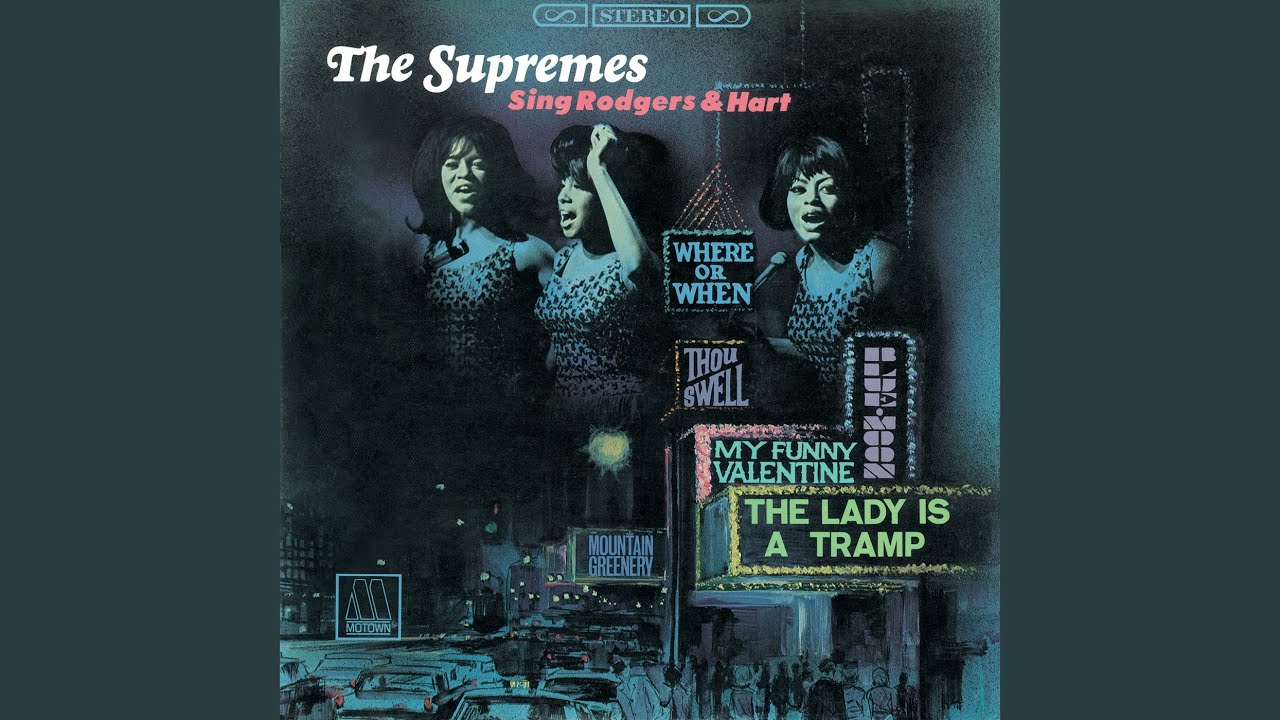
Indeed, those original Bewitched lyrics were unusually candid and risqué for 1940s Broadway, and later adaptations often softened the salaciousness of that and other lines for broader audiences and radio/film standards, such as when the song was recorded by the likes of Ella Fitzgerald — “I’ll sing to him, each spring to him / And worship the trousers that cling to him” became “…And long for the day when I’ll cling to him.” No chance to picture in your mind’s eye a guy’s big bulge in that version. But at least most recordings kept the line “Horizontally speaking, he’s at his very best”. Perhaps the censors didn’t know what an erection looked like.
Hart has had his detractors. Stephen Sondheim, for instance, who is portrayed as an annoyingly precocious child in Blue Moon (Sondheim’s mentor was the composer Oscar Hammerstein, hence his presence at the opening night of Oklahoma!) said Hart “freed American lyrics from the stilted middle-European operetta technique,” but also that he relied on “sloppy” or “lazy” habits, “twisted” syntax and “mis-stressed” syllables.
Was he losing his mind by saying that? Personally I’ve always preferred Hart to Sondheim. Sondheim’s characters for me are often too self-aware and knowing, seemingly standing outside of themselves and commenting on what they see. But no such distancing with Larry. His lyrics came direct from his inner thought processes.
Hart from the heart, you might say.
Steve Nallon
www.nallon.com