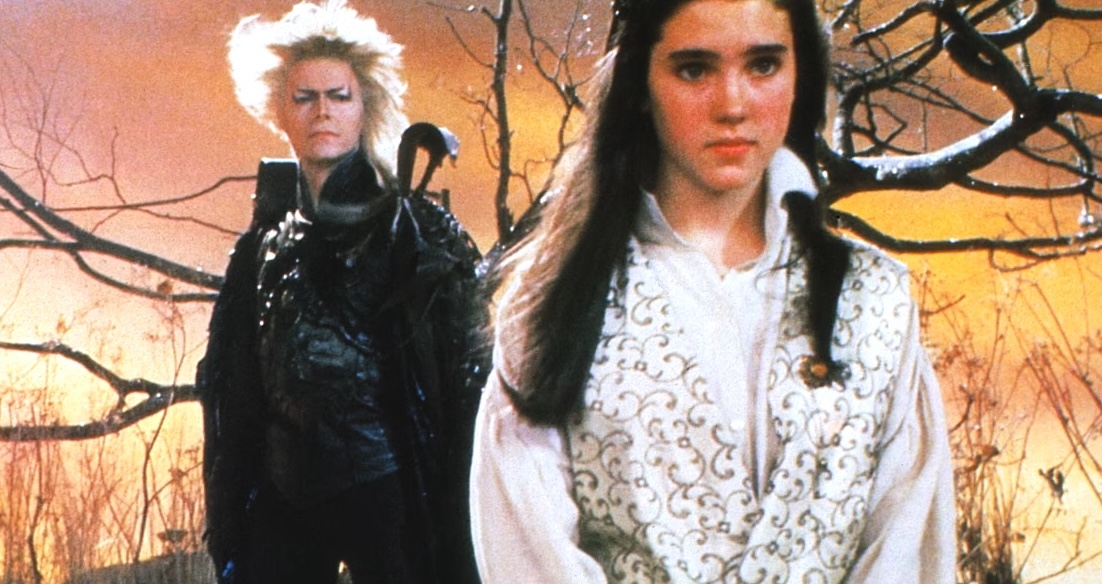
Love it or hate it, Labyrinth was not only a movie which went from cult classic to perennial favourite, but it launched Jennifer Connelly’s career, and bolstered Bowie’s bulging bank balance (did you think I was about to reference something closer to the underground, inveterate packet sniffers?), when he took on the role of the frighteningly frightwigged dancing queen Jareth.
The whole affair was supremely odd but also oddly brilliant. And despite not setting cinemas alight in the US, where it was incongruously released in June (the day after my birthday), across the pond Labyrinth topped the British box office charts for an entire month, including the commercial cash-cow Christmas and New Year period. (Bucks-specific college boy background here.)
Turn back before it’s too layyyte, as we assess the legacy of the nefarious, gregarious Goblin King and his so-so songs. Put it this way, they’re better than Dancing In The Street. Or God Only Knows, come to that.
In the big-haired 1980s, big-name film directors with even bigger budgets had no qualms about helming pop videos: Landis, Scorsese, Friedkin, Fincher, Demme and De Palma all brought their visual sense to bear on the medium. But if you weren’t tying the song in with a movie, chances are you had to interpret your employer’s occasionally nonsensical or impenetrable lyrics, often with mixed results.
The scenario begged the question: were songwriters ever inspired by how their words would be represented in a song’s accompanying video? Given an almost blank slate, it’s fair to say that some auteur’s imaginations ran riot. Sometimes the storyboards got – how shall we put it kindly? – a bit out of hand. And more than a fair few were saddled with salacious symbols, disconcerting imagery and creepy concepts.
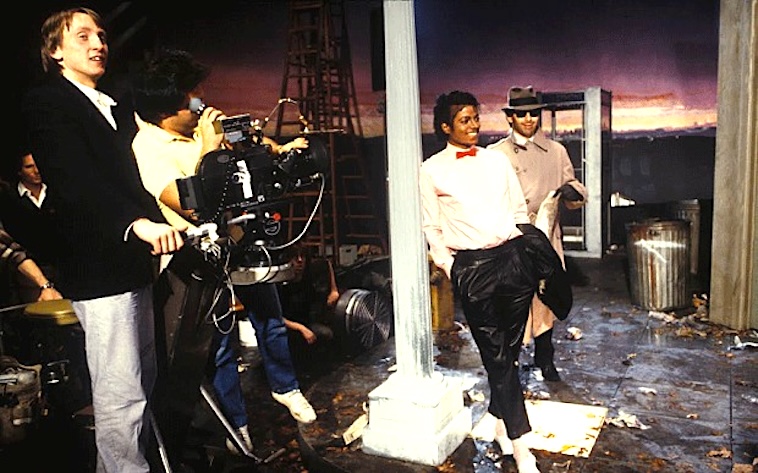
A black blazered Steve Barron on the set of MJ’s Billie Jean, Hollywood, February 1983
In terms of the glory days of mid 80s pop promos, the man of the moment was unquestionably Steve Barron. Prior to the Bowie project, the Dublin-born filmmaker had already gained plaudits for helming a sting of clips for everyone from Adam & The Ants, The Jam, and the Human League to OMD, Thomas Dolby, Culture Club, and the first promo for Michael Jackson’s Thriller album. Oh, and arguably the most feted of all his music videos, a-ha’s animated apex Take On Me.
In the spring of 1986, Barron helmed the minor league curio that was a video presentation of Dame David’s slightly underwhelming Underground. The song would be the Londoner’s lead 45 to big up his sizeable star turn in the Jim Henson vehicle Labyrinth, possibly a memorable appearance for all the wrong reasons.
The idea for a big screen Labyrinth came to Henson in the aftermath of the director’s earlier feature film, 1982’s Dark Crystal. The American had long dreamed of combining live actors with the puppets of his celebrated Creature Shop, an assemble which had appeared in the classic family telly programmes The Muppet Show and Sesame Street.
Together with his conceptualisation team, Henson started to outline a script focusing on goblins which would combine fantasy stories such as Alice’s Adventures In Wonderland and Judy Garland’s The Wizard Of Oz. For the role of Goblin King, the writers were mindful of the rise of MTV and set their sights on a contemporary pop singer, much as the James Bond team did for A View To A Kill. And from Kill to Chill.
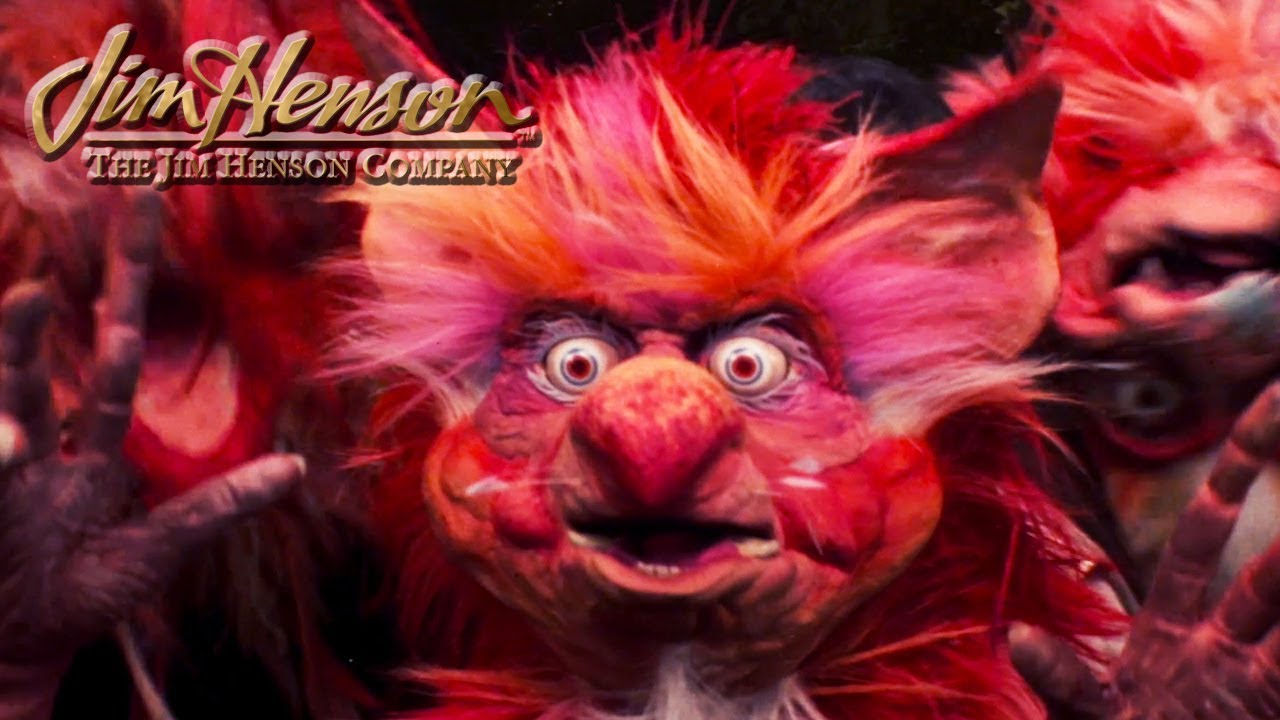
Team Henson whittled down a shortlist to consist of three transatlantic stars who were all at the height of their eighties ubiquity: Jacko, Sting, and Bowie. When approached, the Thin White One embraced the challenge of acting in his first musical, as well as writing a clutch of subject-specific songs.
The role of baby burglar in the bag, being cast as Jareth meant Bowie had to withdraw from playing Max Zorin in the Bond caper scheduled to begin production almost simultaneously, despite Eon announcing his involvement back in the summer of 1984. Let’s face it, the chance to swing and sashay in those tights and one of Tina Turner’s fright wigs must have been too good an opportunity to pass up. Let’s hope his cock didn’t get too sore.
The betighted Brixtonian’s turn as the freaky, queeny Goblin King who occasionally bursts into song when he’s not too busy scheming dastardly acts of light-fingeredness introduced him to a whole new generation of fans. Jareth is a maniacal all-singing, all-dancing witchy villain who purloins Toby, Connelly’s infant half-brother, while exhibiting more ham than a pig farm. Not to mention the sausage.
With his towering thunderdome of hair and bizarrely revealing outfits (only Bowie could get away with more costume changes than the leading lady), it was a weird and often sometimes wonderful ride, and undoubtedly his most iconic role to anyone born in the mid 70s or later.

Bowie’s cinematic diversions were always self-consciously patchy, though. Absolute Beginners (also 1986) was a misguided attempt at pushing him as a cross between a tap-dancing character actor and a slightly less camp Lionel Blair. Thus, a series of lacklustre collaborations and diversions resulted in a succession of albums and tours which caused considerably less excitement with every release.
Even so, the Thin White Dame still managed to pull a cracker out of the barrel every so often: Like the Moroder collab for Cat People before it, the theme song from Absolute Beginners was a 24 carat vintage Bowie offering, a delectable diamond in the rough, which was only kept off the top spot by the immovable Chain Reaction by the world’s most glamorous sixties throwback Diana Ross. And for once, when the ace hype man described his aching sting-laden ballad as “one of the very best things I’ve written,” I think he actually meant it.
The follow-up, however, was a completely different kettle of hoggle.
“No one can blame you for walking away… Daddy, daddy, get me out of here!”: the unsettling Underground evokes the coming of age dilemma of a young girl’s alienation and initiation into the adult world, echoing Labyrinth’s barely disguised puberty plot. And I ain’t talking codpiece.
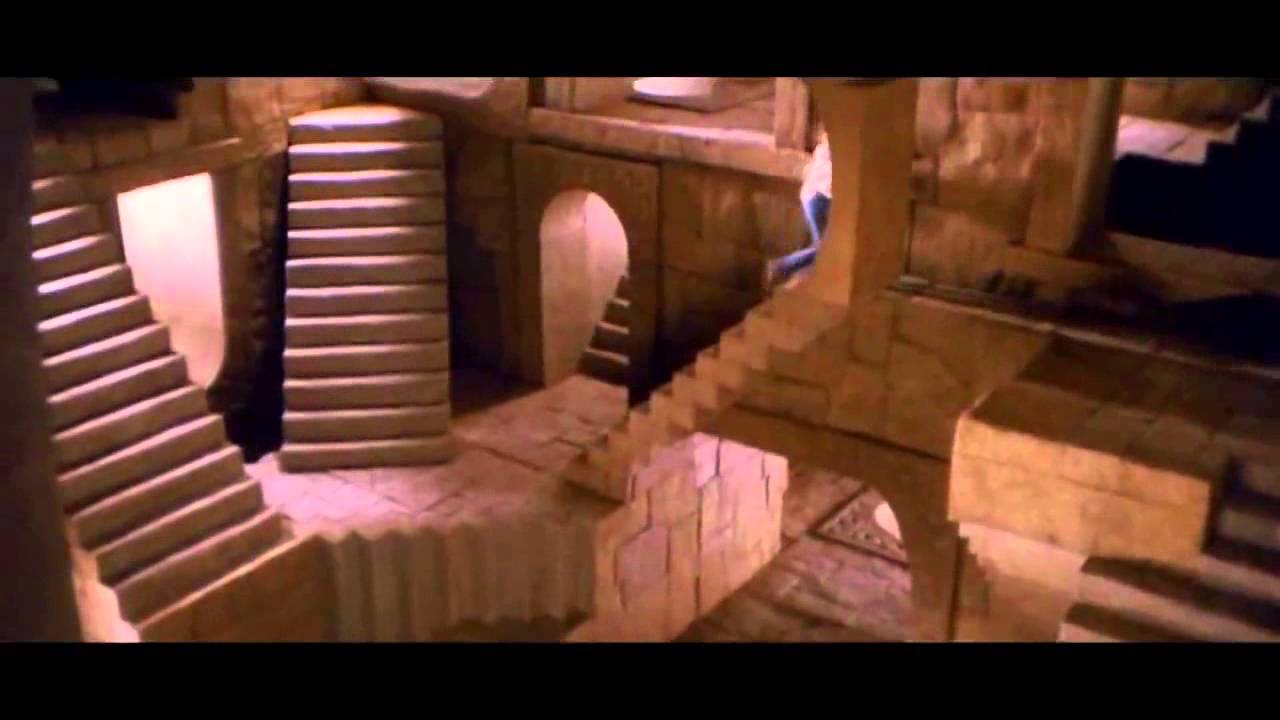
Alas, while the picture is always an enjoyable romp despite Bowie’s hammy acting, no great claim can be made for its main tune’s musical merits. In fact, Underground is the perfect example of it wasn’t acceptable in the 80s.
Without overdosing on my signature “relentlessly wry prose”, it almost seems like the batty brief was waste the talents of soul royalty like Chaka Khan, Luther Vandross and Cissy Houston (as well as future one hit wonder Robin Beck, of First Time fame) by performing a cacophony of indistinguishable gospel backing vocals that will be murderously drowned in the mix by the legendary Arif Mardin on one of your worst ever singles.
Hell, at least you could hear Chaka when the contemporaneous Steve Winwood made better use of her vocal chops on Higher Love. A proper enduring hit to be, HL spookily entered the British charts at a lowly 80 the very same 21 June week that Underground entered at 26, one place behind the fabulously foul Chicken Song by Spitting Image. Still, Stevie banked the more enduring slow burner in the end, whereas Davie stalled at 21 the following week.
In fact, I’d wager that Underground contains one of the most singularly cringy vocal moments on a Bowie track, though it’s the boy from Bromley wot sung it, not any cameo intervention. Overwrought ponderous baritone to the fore, the way DB vocalises the massively mannered first verse, with the decidedly dodgy “too much protection/no love injection” couplet always makes me cringe. And ending the line with a ridiculously retarded “na-na” kinda reminds you of your grandad trying to stick his tongue down your throat as you give him a kiss goodbye.
![David Bowie - "A Genius that had time to be kind"...Recording Underground [Studio Footage]](https://stevepafford.com/core/cache/flying-press/a87cf878d263154314207668938b5ffc.jpg)
Nevertheless, the U boat’s marriage of gospel choir chorus to synth basslines and ricocheting beats clearly influenced the less Disney and altogether more spiritual Like A Prayer by that self-proclaimed Bowie watcher Madonna a couple of years later. The Dame must have watched the soaraway success of that chat behemoth with redolent green eyes, almost like a human’s. No wonder he bitched about her on that Tin Machine album.
Still, this Lucy can dance. Well, she could back then.
Underground was the first instance of a Bowie video where the artist himself, for whatever reason, refrained from getting involved in the creative process. The days of co-directing were seemingly over. Storyboarding had been replaced by snowboarding.
Taking its theme literally, the video features a ragbag band playing at an underground club. It’s fair to say that it’s elaborate… and more than a bit weird, Not weird in a fabulously arty or atmospheric way, like Boys Keep Swinging or Ashes To Ashes, but it does go off into some very odd and unfathomable tangents.
The time-travelling torpedo dissolves into the floor, flashes through a Doctor Who regeneration style-montage of past incarnations (the first time Bowie used his iconic imagery of thinner past selves in relation to the wholesome family entertainer he’d become) and then moves into a murky underworld where he morphs into an animated iteration of himself.
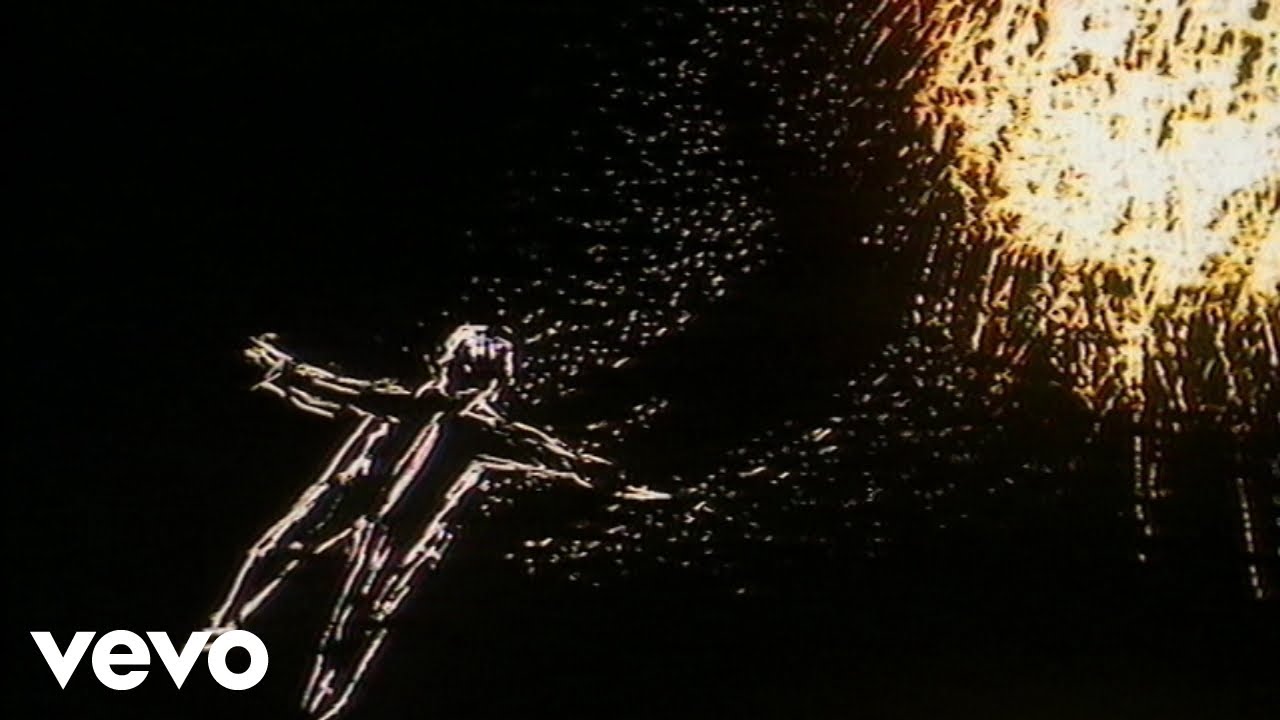
The disembodied ‘helping hands’ from the movie mime to the wails of the gospel group and the Dame dances with muppets before he rips off his ‘real’ face and becomes a cartoon character forever. Master axeman Albert Collins’ earthy blues licks seem a bit out of place alongside this surreal stew. Face/Off? No, just off.
In Barron’s deliciously indiscreet 2014 memoir Egg N Chips & Billie Jean: A Trip Through the Eighties, the lensman recounts a late-night telephone call from Bowie, who’s “not sure whether he’s talking to me or to my [answer] machine. He’s calling from Gstaad, just seen the finished video. It’s probably late there. He’s had a few and he’s gushing. And slurring a bit.”
However, as was so often the case with the Dame’s head, after the single flopped and he’d moved swiftly on to the next project the star claimed he wasn’t overly enamoured with Barron’s clip after all, telling Music & Sound Output in 1987:
“I’ve found that the videos I put into other people’s hands have always been a mistake. Because of my lack of interest, I didn’t get that involved with things like Underground, which I did for Labyrinth. I just left it up, and the result is just not my kind of video. I was a bit lax there. I didn’t feel involved.”
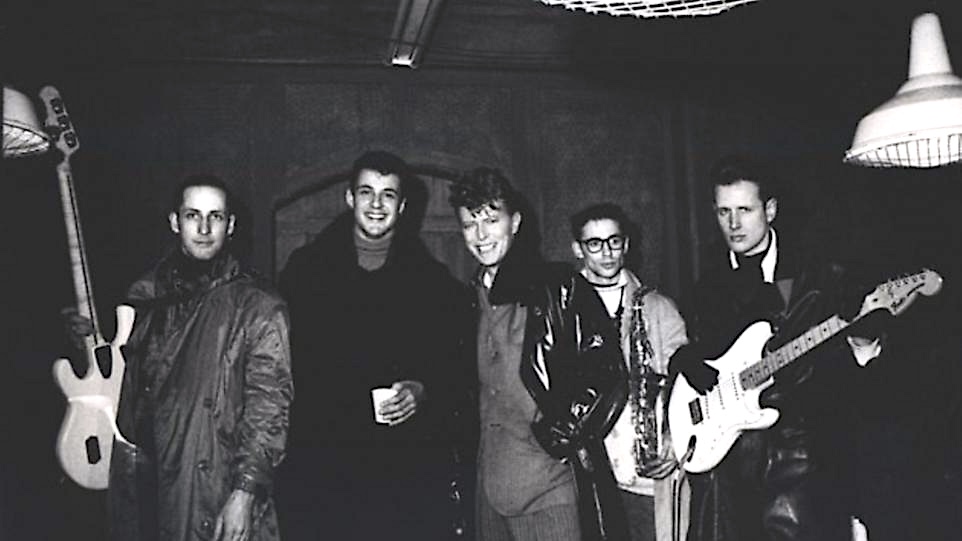
Bowie and band on the Underground set. Note future Right Said Fred frontman Richard Fairbrass far left. He’d previously appeared in 1984’s Jazzin’ For Blue Jean short film.
Indeed, compared to the vast bulk of his previous promos the artist’s atypically hands-off approach was pretty much borne out by an ‘on set’ type pictorial feature in an edition of the UK’s No.1 magazine at the time, which captured a cross-legged Bowie ensconced with his shiny new Walkman, sitting out much of the proceedings.
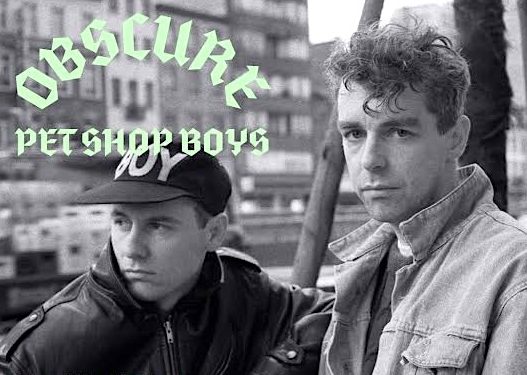
Rather than sketch out his own storyboards as of yore, the pop publication appeared to suggest the fast-approaching quadragenarian was perhaps more interested in assessing the current albums from two new British acts who, a whole decade later, would both go on to have a tangible influence on the London boy’s own Outside and Earthling eras respectively. They being, of course, Pet Shop Boys and Big Audio Dynamite.
But why? Life is indeed a mystery.
Steve Pafford
BONUS BEATS:
Shot during the same four-day Stratford shoot as Underground, Steve Barron also directed a video for a second single from Labyrinth, the whimsical meander that is As The World Falls Down. The promo included clips from the movie as well as black and white footage of the Dame performing the song in a preposterously outsized jacket clearly inspired by Joan Collins in Dynasty and that other David, Byrne as seen in Talking Heads’ wondrously widescreen Stop Making Sense .
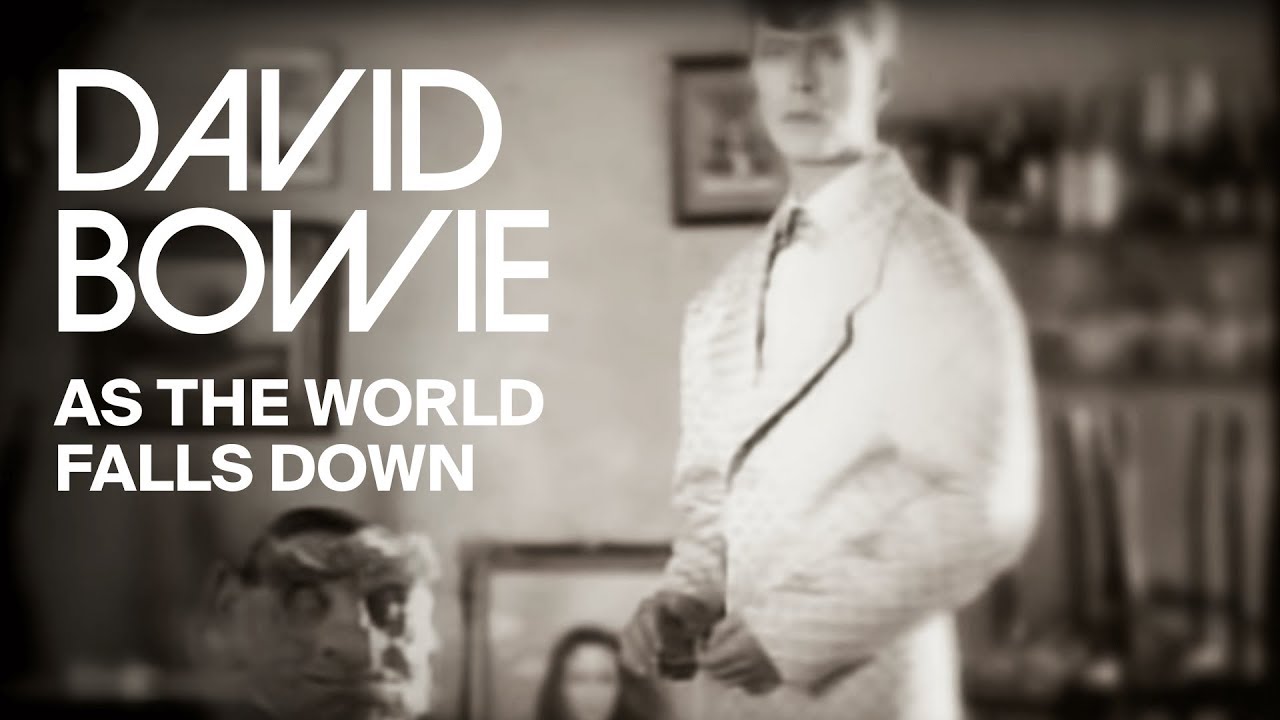
Ultimately, the song’s release as a 45 for the Christmas ’86 holiday season was aborted when Bowie cooked up another soundtrack single in its place, the title theme for (a distant cousin of my mother’s) Raymond Briggs’ animated anti-war epic When The Wind Blows.
With the finishing touches being applied to a brand new Bowie album mercifully devoid of movie tie-ins, Magic Dance, arguably the most memorable moment in Labyrinth (cough), was sneaked out as a US-only 12″ single a trifle belatedly in January 1987 with zero involvement from its author.
The “You remind me of the babe” exchange was notable for being hilariously half-inched from The Bachelor And The Bobby-Soxer, an old romantic screwball comedy starring Cary Grant, Shirley Temple, and Myrna “I’ve got a brother called Savva” Loy. The year of release? 1947, the year of birth for Bowie and the other London Boy who also insists on being called David and not Dave, my father.
For reasons too complicated to explain here, Grant has been forced to date the much younger (and underaged) Temple and this scene in an attempt to overplay his hand in order to end his purgatory he’s playing Jack the lad. And how.
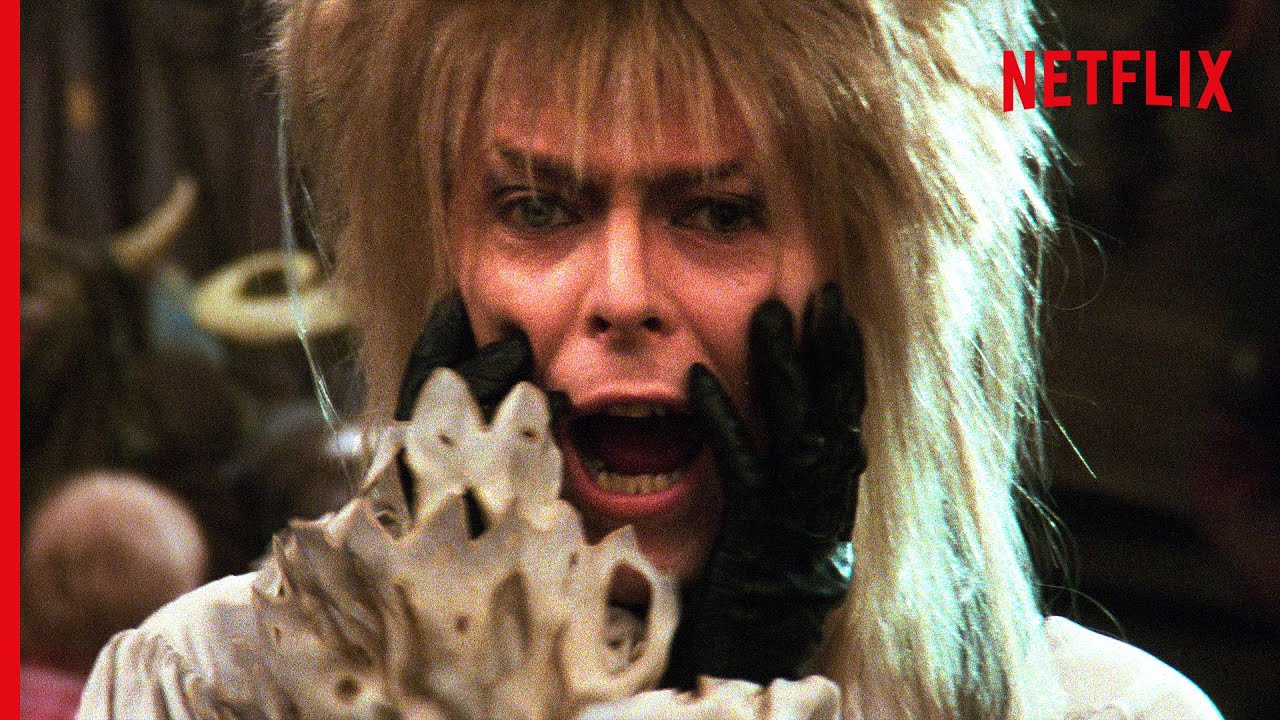
The exchange is repeated in various ways across the picture and colour me amazed as we find the boy from Brixton influenced by this relatively forgotten but supremely watchable black and whiter starring the boy from Bristol, which premiered eight months after David Robert Jones entered our orbit. It’s worth noting the screenplay written by Sidney Sheldon won an Academy Award, too, and hoodoo is, of course, “folk magic”.
The thematic connection is evidently that the barely legal Temple’s infatuation with Cary is signalled in hallucinatory sequences. Obscured by Vaselined soft focus, our Shirl is shown dressed as a knight in full armour to demonstrate it’s all about a young girl ambiguously obsessed with an older man, hence the sub-plot of Labyrinth.
Just months after the Henson movie, Bowie would release another number from the box marked ’controversial’ when Beat Of Your Drum appeared on his seventeenth studio set, the iffy arachnoid-appendaged Never Let Me Down in April 1987.
Is Patsy Kensit in the house tonight?
“It’s a Lolita number! [laughs] A reflection on young girls… Christ, she’s only 14 years old, but jail’s worth it!” — Bowie interview with Music & Sound Output, June 1987