


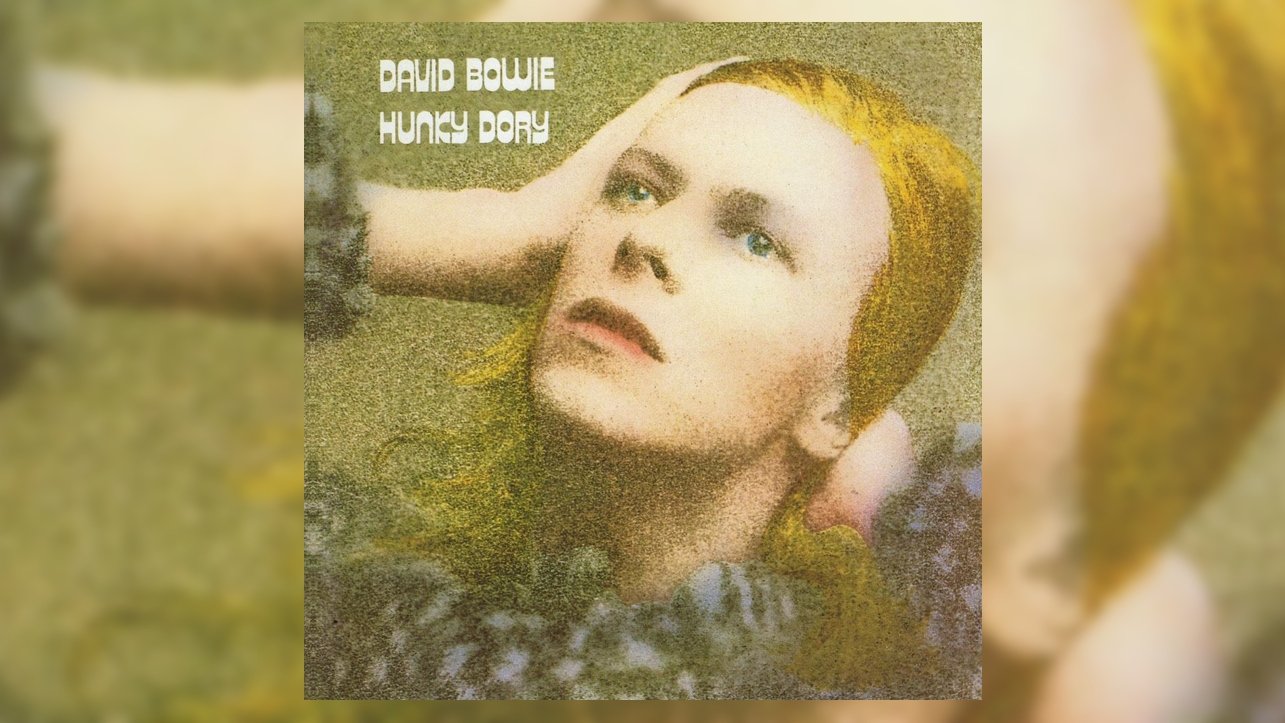
Despite hailing from a remote outpost on New Zealand’s North Island, Kiwi icon Neil Finn was no stranger to the enigmatic mythomania of David Bowie growing up. With the recording sessions for the Thin White One’s fourth album widely believed to have been completed on 6 August 1971, what could be more appropriate than a timely throwback to the Crowded House frontman waxing lyrical on the sublime Hunky Dory.
“I liked the fact that his lyrics were more abstract than any I’d heard before. There was a real mystery to it and also he was slightly gender-challenging. I found that deeply mysterious, because I hadn’t experienced anything like that in my home town Te Awamutu.”
Finn particularly singles out 1971’s highly accomplished Hunky Dory — Bowie’s first record release for RCA Records — as “still my template for songwriting and artful arrangement. David was great at the half-notes and minor keys… but he kept doing it album after album.”
In other words, look out you rock ‘n‘ rollers…

In 2014 Finn extrapolated on his attachment to Hunky Dory, selecting it as one of his favourite albums of all time in an article for thequietus.com:
“It was my first Bowie album, and around the time I was learning how to write songs it opened up a really big doorway for me, beyond the singer-songwriters I was listening to at the time, like Carole King or Elton John, whose self-titled set and Tumbleweed Connection were really big albums for me when I was learning piano.
“Bowie just had another angle to him beyond the pure music of those people, and had a foot in some deeply mysterious things to me, which I found quite fascinating, a kind of sassiness and inner city urban thing, a counter-culture thing that was running through that album, and more so with Ziggy Stardust.
“I just thought those songs were extraordinary and the lyrics were really strange and hard to fathom, particularly songs like Quicksand. I loved the turn of phrase and thought the use of piano on that record, which was Rick Wakeman, was absolutely brilliant. It’s still a touchstone for a good-sounding pop record. The use of strings and the bold ambition – I was completely taken with it.”
Edited by Steve Pafford


